10 Conspiracy Theories That Changed History: From Julius Caesar to COVID-19
Explore 10 influential conspiracy theories: origins, key figures, and societal impact. Uncover the truth behind historical events and modern myths. Learn why these theories persist.
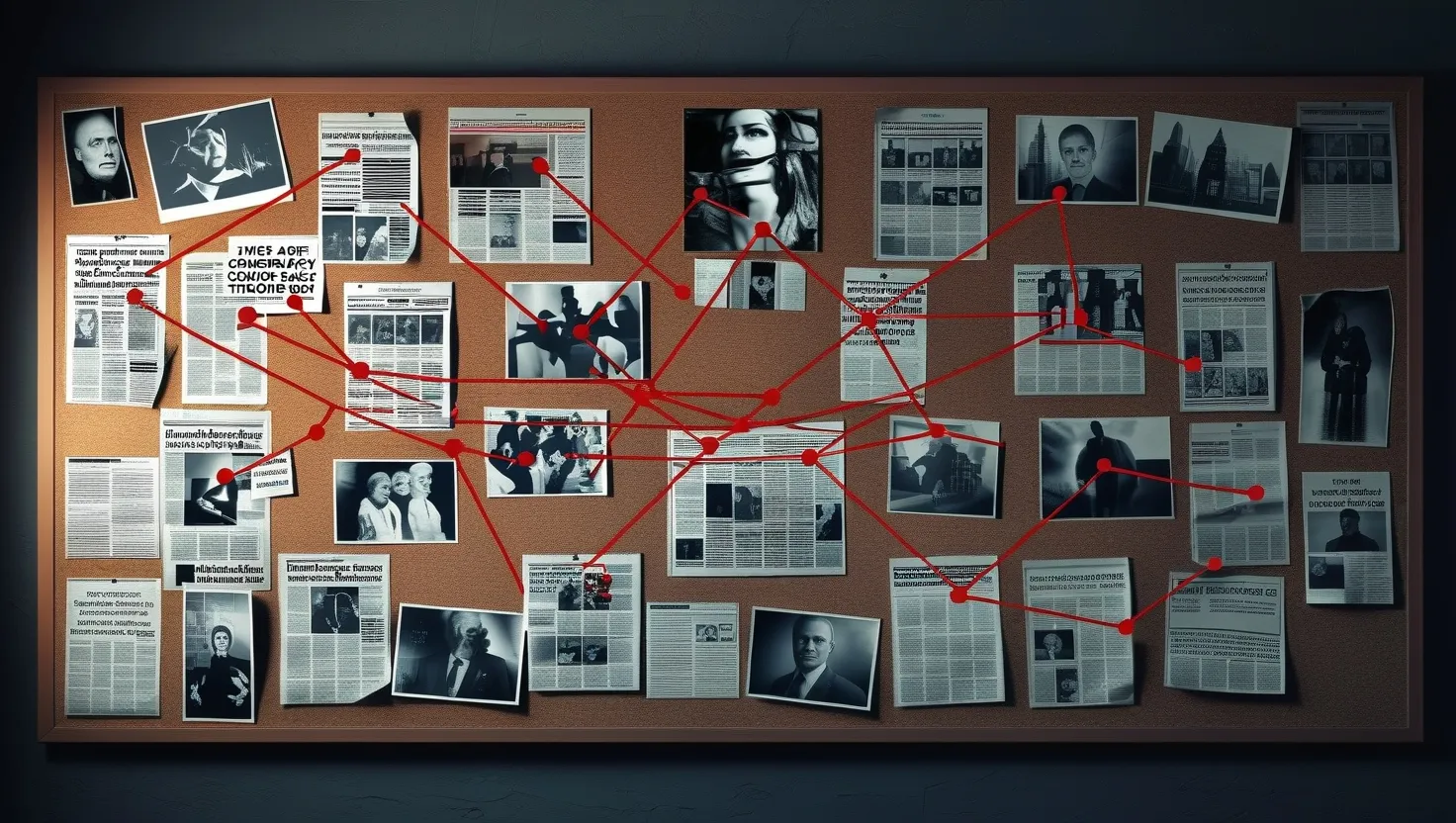
Conspiracy theories have a way of captivating our imagination and reshaping our understanding of historical events. They often emerge from a mix of fear, mistrust, and the human desire to make sense of the world. Here, we’ll delve into ten of the most influential conspiracy theories, exploring how they came to be, who propelled them, and the significant impact they had on society.
Let’s start with one of the oldest and most enduring conspiracy theories: the assassination of Julius Caesar. For centuries, the narrative has been that Brutus and Cassius were the masterminds behind Caesar’s murder on the Ides of March. However, a lesser-known figure, Decimus Junius Brutus Albinus, played a crucial role in the plot. Decimus, a trusted lieutenant and close ally of Caesar, was one of the ringleaders who convinced Caesar to attend the Senate meeting where he was assassinated. This twist challenges the traditional view and highlights how even the closest of allies can turn against each other in the pursuit of power.
Fast-forwarding to more modern times, we have the Moon landing hoax theory. This conspiracy posits that the 1969 Moon landing was staged by NASA and the U.S. government. Proponents argue that the lack of stars in the photos, the American flag waving in the wind, and the footprints appearing too well-defined are evidence of a fabrication. Despite overwhelming evidence to the contrary, this theory persists, reflecting a broader distrust in government institutions. It’s fascinating to see how a few anomalies can be magnified to cast doubt on one of humanity’s greatest achievements.
The assassination of John F. Kennedy is another event shrouded in conspiracy theories. One of the most popular theories suggests that Kennedy’s death was not the work of a lone gunman, Lee Harvey Oswald, but rather a complex plot involving various entities such as the CIA, anti-Castro groups, or even Vice President Lyndon B. Johnson. Theories abound, with some pointing to Oswald’s connections with pro- and anti-Castro groups, while others suggest a larger government or mafia involvement. These theories have been fueled by books, films, and investigations, keeping the public engaged and skeptical about the official narrative.
The Illuminati, a secret society formed in 18th-century Bavaria, has evolved into a modern myth of global control. Today, the Illuminati is often depicted as a powerful, shadowy organization manipulating world events from behind the scenes. Celebrities and politicians are frequently accused of being part of this elite group. This theory taps into the fear of a hidden, omnipotent force controlling our lives, making it compelling for those who feel powerless or disenfranchised. However, the real Illuminati was disbanded shortly after its inception and had no such grand ambitions.
Area 51, a U.S. Air Force facility in Nevada, has become synonymous with extraterrestrial cover-ups. The theory suggests that the government is hiding evidence of alien life and technology recovered from UFO crashes. This narrative has been fueled by numerous books, films, and TV shows, as well as real-life incidents like the Roswell UFO incident. The secrecy surrounding Area 51 only adds to the speculation, making it a hotbed of conspiracy theories that continue to captivate the public’s imagination.
The 9/11 attacks have also spawned a plethora of conspiracy theories, with one of the most prominent being the “inside job” theory. This theory posits that the U.S. government or other entities within the country were involved in planning and executing the attacks. Proponents point to anomalies in the official narrative, such as the collapse of Building 7 and the lack of black boxes from the planes. While these theories have been debunked by experts, they continue to resonate with those who distrust government narratives.
The flat Earth movement is another intriguing example of how conspiracy theories can gain traction. Despite overwhelming scientific evidence to the contrary, some people believe that the Earth is flat rather than spherical. This theory has been around for centuries but has seen a resurgence in the digital age, thanks to social media and online communities. It’s a stark reminder of how misinformation can spread rapidly and gain a significant following.
Chemtrails, or the theory that airplane contrails are actually chemicals or biological agents being deliberately sprayed by governments, is another conspiracy that has gained significant attention. Proponents argue that these chemicals are used for weather manipulation, population control, or other nefarious purposes. While the scientific community has consistently debunked these claims, the theory persists, reflecting a broader distrust in government and corporate activities.
The New World Order theory suggests that a group of powerful individuals and organizations are working to create a one-world government that would control all aspects of life. This theory has roots in anti-globalization and anti-elitist sentiments, and it often overlaps with other conspiracy theories like the Illuminati. It taps into fears of loss of sovereignty and individual freedom, making it a compelling narrative for those who feel marginalized by global events.
Finally, vaccine-related conspiracies have become increasingly prevalent, especially in the wake of the COVID-19 pandemic. These theories range from claims that vaccines contain harmful substances or are part of a population control agenda to assertions that they are ineffective or even cause the very diseases they are meant to prevent. These theories have significant real-world impacts, such as reduced vaccination rates and public health crises. They highlight the critical need for accurate information and trust in scientific research.
So, why do people believe in these theories? Often, it’s a combination of factors: a lack of trust in institutions, the desire for simple explanations in a complex world, and the influence of social media and other digital platforms. These theories provide a sense of control and understanding in chaotic times, even if they are based on flawed or incomplete information.
In the digital age, the spread of conspiracy theories has been accelerated by social media, online forums, and other digital platforms. These platforms allow theories to reach a global audience quickly, often without the filters of traditional media. This has created an environment where misinformation can spread rapidly, gaining traction and influencing public opinion before it can be thoroughly debunked.
Understanding these conspiracy theories is crucial because they shape public opinion, influence politics, and impact society in profound ways. They reflect deeper societal fears and mistrusts, and addressing these underlying issues is key to mitigating the harm caused by these theories. By exploring the origins, key proponents, and lasting effects of these conspiracies, we can gain a better understanding of why they persist and how we can foster a more informed and critical public discourse.