7 Classified Military Experiments That Changed History: From Weather Control to Phantom Fleets
Discover 7 classified military experiments that shaped modern technology and warfare. From weather control to phantom fleets, explore the untold stories behind today's innovations. Learn their impact now.

Throughout history, military forces have conducted secretive experiments that pushed the boundaries of science and ethics. While some of these tests are well-known, others remain shrouded in mystery, their full impacts still unfolding decades later. Let’s explore seven lesser-known military experiments that shaped the course of history in unexpected ways.
Picture this: It’s the height of World War II, and the U.S. Navy is desperate for an edge against German U-boats. Enter Project Rainbow, a classified program that went far beyond the infamous Philadelphia Experiment. While popular culture fixated on alleged attempts to make ships invisible, the reality was even stranger. Scientists were exploring how electromagnetic fields could be used to disguise vessels from enemy detection.
The experiments involved generating powerful electromagnetic pulses around ships, creating a sort of “bubble” that they hoped would bend radar waves. While invisibility proved elusive, this research laid the groundwork for modern stealth technology. The next time you hear about a radar-evading aircraft, remember its origins in those secretive WWII tests.
But why stop at manipulating electromagnetic waves when you could control the weather itself? That was the audacious goal of Operation Popeye during the Vietnam War. From 1967 to 1972, the U.S. military seeded clouds over Vietnam, Laos, and Cambodia with silver iodide. The aim? To extend the monsoon season and make the Ho Chi Minh Trail impassable.
Did it work? That’s still debated. But the very idea of weaponizing weather raised alarm bells worldwide. The resulting international backlash led to the Environmental Modification Convention, banning weather warfare. Yet one can’t help but wonder: in an era of climate change, could similar techniques be used for good?
“Everyone talks about the weather, but nobody does anything about it.” - Mark Twain
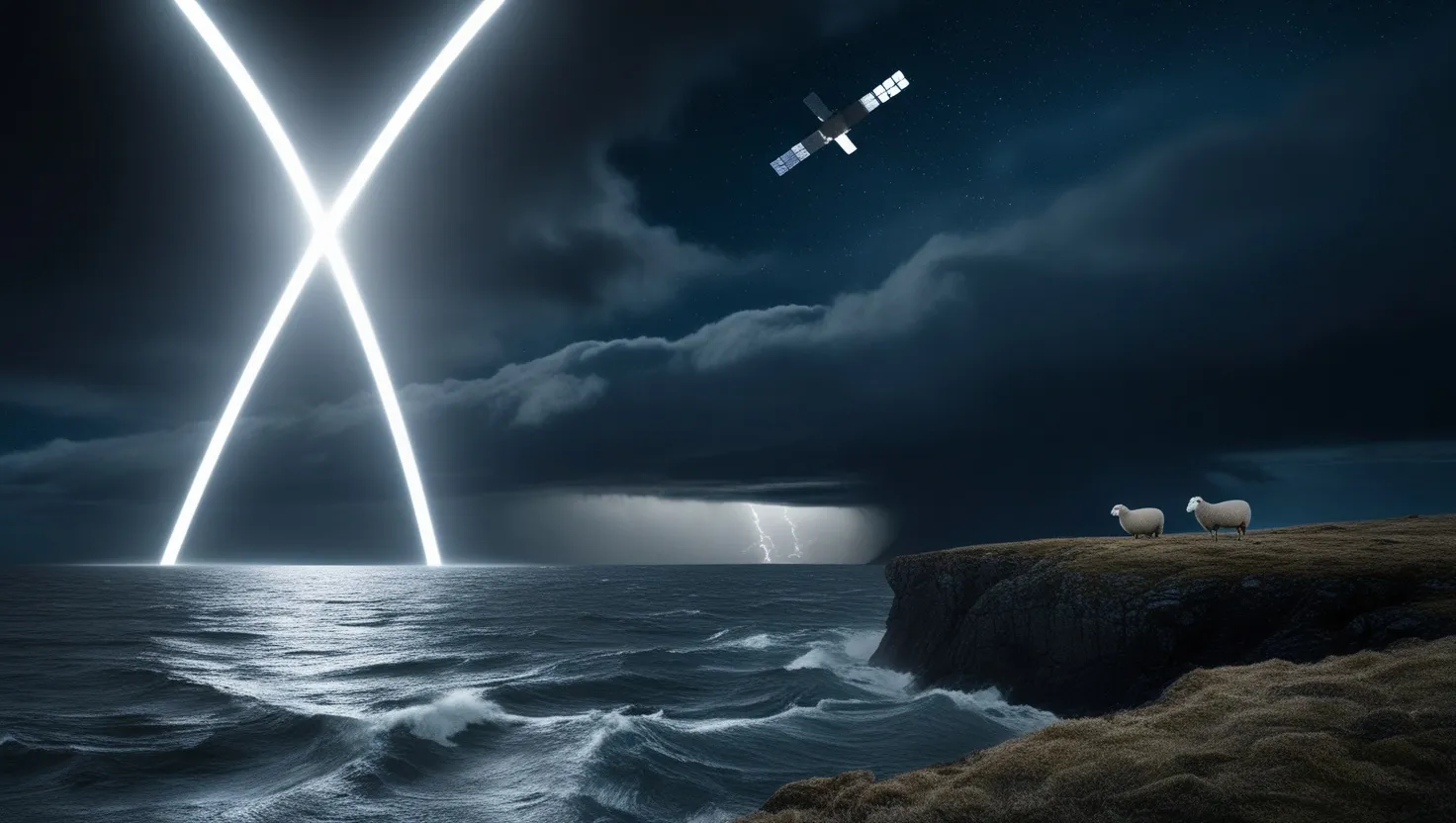
If terrestrial weather wasn’t enough of a playground, how about space itself? In 1958, Project Argus took nuclear testing to new heights – literally. The U.S. military detonated three nuclear weapons in the upper atmosphere, creating artificial radiation belts around Earth.
The goal was to study how nuclear explosions might affect radio communications and radar systems. But the tests had unintended consequences, damaging several satellites and creating long-lasting radiation effects in the upper atmosphere. Project Argus stands as a stark reminder of how military experiments can have global, long-term impacts we can’t always predict.
Speaking of unpredictable effects, let’s talk about the Moscow Signal. For over two decades, the U.S. embassy in Moscow was bombarded with low-level microwave radiation by the Soviets. Was it a sophisticated spying technique? An attempt at mind control? Or something even more sinister?
The truth may never be fully known, but the incident sparked intense research into the biological effects of microwave radiation. This research influences modern debates about the safety of wireless technologies. Next time you use your smartphone, consider how Cold War paranoia shaped our understanding of the invisible waves surrounding us.
Have you ever wondered how military forces might fool enemy radar? Project Palladium had a creative solution: create an entire phantom fleet. In the 1960s, the U.S. developed techniques to generate false radar returns, making it appear as if ships and aircraft were present where there were none.
This electronic deception went beyond simple jamming. It involved precisely manipulating radar signals to create convincing illusions. The technology developed in Project Palladium evolved into modern electronic warfare systems, changing the nature of battlefield awareness forever.
“All warfare is based on deception.” - Sun Tzu
Now, let’s descend from the heights of space and the realm of electronic trickery to something more down-to-earth – quite literally. Operation LAC (Large Area Coverage) saw the U.S. military dispersing zinc cadmium sulfide particles over vast swathes of the United States and Canada in the 1950s.
The official purpose? To test how chemical or biological agents might spread in the event of an attack. But this raised serious ethical questions about using civilian populations as unwitting test subjects. The long-term health effects of zinc cadmium sulfide exposure remain a topic of debate, highlighting the complex legacy of Cold War-era experiments.
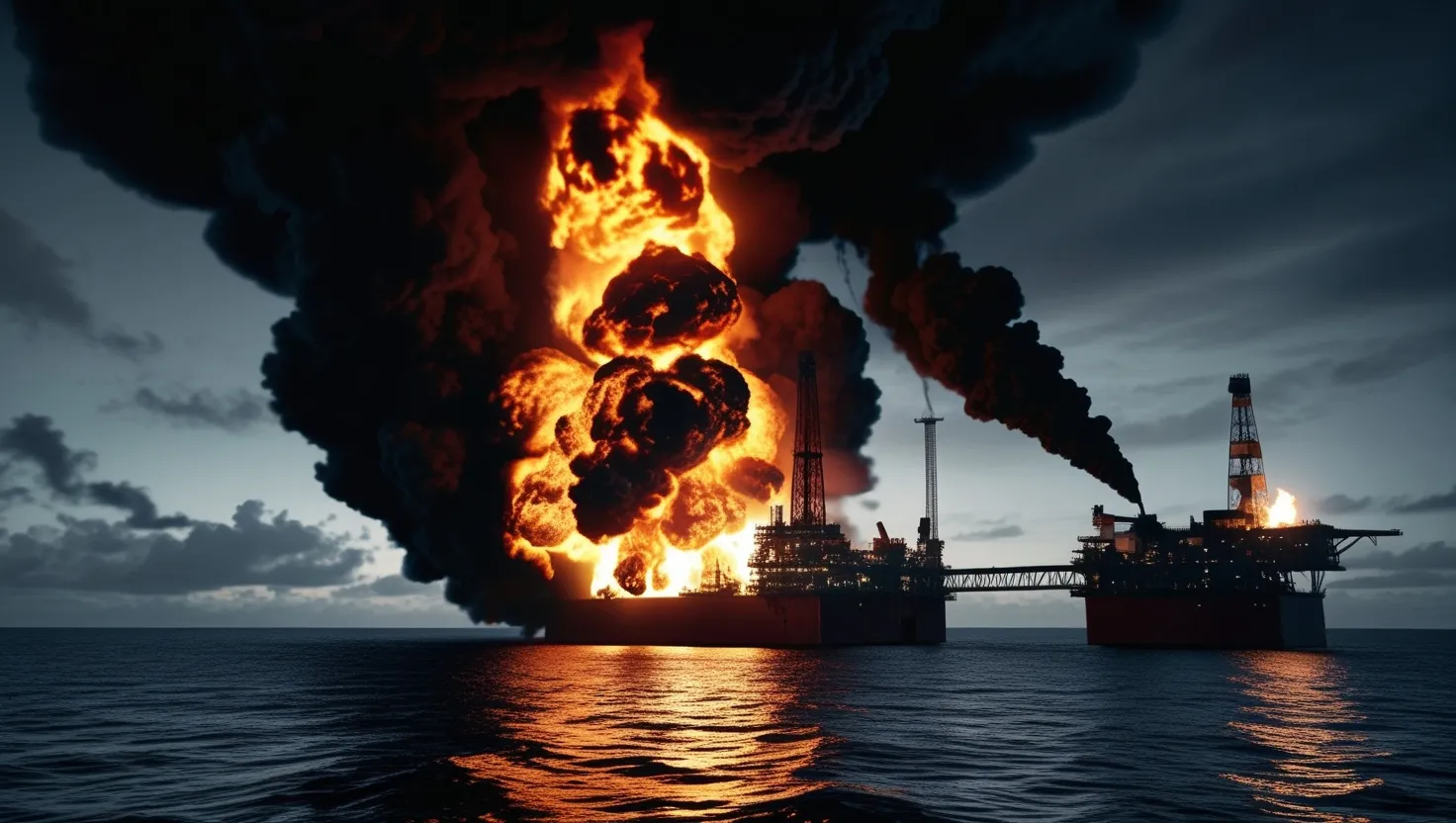
Finally, we come to Project CHASE – “Cut Holes And Sink ‘Em.” This rather bluntly named operation involved disposing of unwanted chemical weapons by… well, exactly what the name suggests. Old munitions, including nerve gas and mustard gas, were loaded onto ships, taken out to sea, and sunk.
Between 1967 and 1970, thousands of tons of chemical weapons were sent to the bottom of the Atlantic. At the time, it seemed like a convenient solution. Today, we’re left grappling with the environmental consequences of these sunken toxic time bombs. How do we deal with the legacy of military decisions made decades ago?
These seven experiments, each in their own way, changed the course of history. They pushed scientific boundaries, raised ethical dilemmas, and left lasting marks on our world – some visible, some hidden. From the upper atmosphere to the ocean depths, from weather patterns to invisible electromagnetic fields, military research has shaped our modern world in ways we’re still discovering.
But these experiments also force us to ask difficult questions. How do we balance scientific progress with ethical concerns? What are the long-term consequences of our actions? And in our quest for security, what risks are we willing to take?
“Science is a good piece of furniture for a man to have in an upper chamber, provided he has common sense on the ground floor.” - Oliver Wendell Holmes Sr.
As we reflect on these lesser-known military experiments, it’s clear that their impacts extend far beyond the realm of warfare. They’ve influenced environmental policy, shaped our understanding of technology’s effects on human health, and even altered the physical world around us.
Perhaps the most important lesson from these experiments is the need for foresight and responsibility in scientific research, especially when it intersects with military goals. As we continue to push the boundaries of what’s possible, we must always consider the potential consequences of our actions – not just for today, but for generations to come.
What other secret experiments might be happening right now, shaping our future in ways we can’t yet imagine? And how can we ensure that scientific progress serves the greater good, rather than becoming a source of unforeseen problems?
These are questions we must grapple with as we move forward. The experiments of the past have left their mark on our present. It’s up to us to decide what kind of future we want to create.