Did Paul McCartney Really Die in the '60s? Dive into the Wildest Beatles Conspiracy!
Dead Man Walking: The Beatles Conspiracy That Refused to Die
Back in the late ‘60s, an absolutely wild rumor started swirling around that Paul McCartney, the cherished bassist and singer of the Beatles, had died in a car crash and was secretly swapped out with a look-alike. This urban legend, famously known as “Paul is dead,” quickly picked up steam and became one of the wildest and longest-lasting conspiracy theories in music history.
So, here’s how the rumor goes: McCartney supposedly died in 1966, and to prevent chaos, the remaining Beatles, with a little help from the British secret service MI5, brought in a doppelganger to fill his shoes. This look-alike allegedly kept writing and performing as Paul, while the band sneakily left clues in their music and album covers to spill the truth.
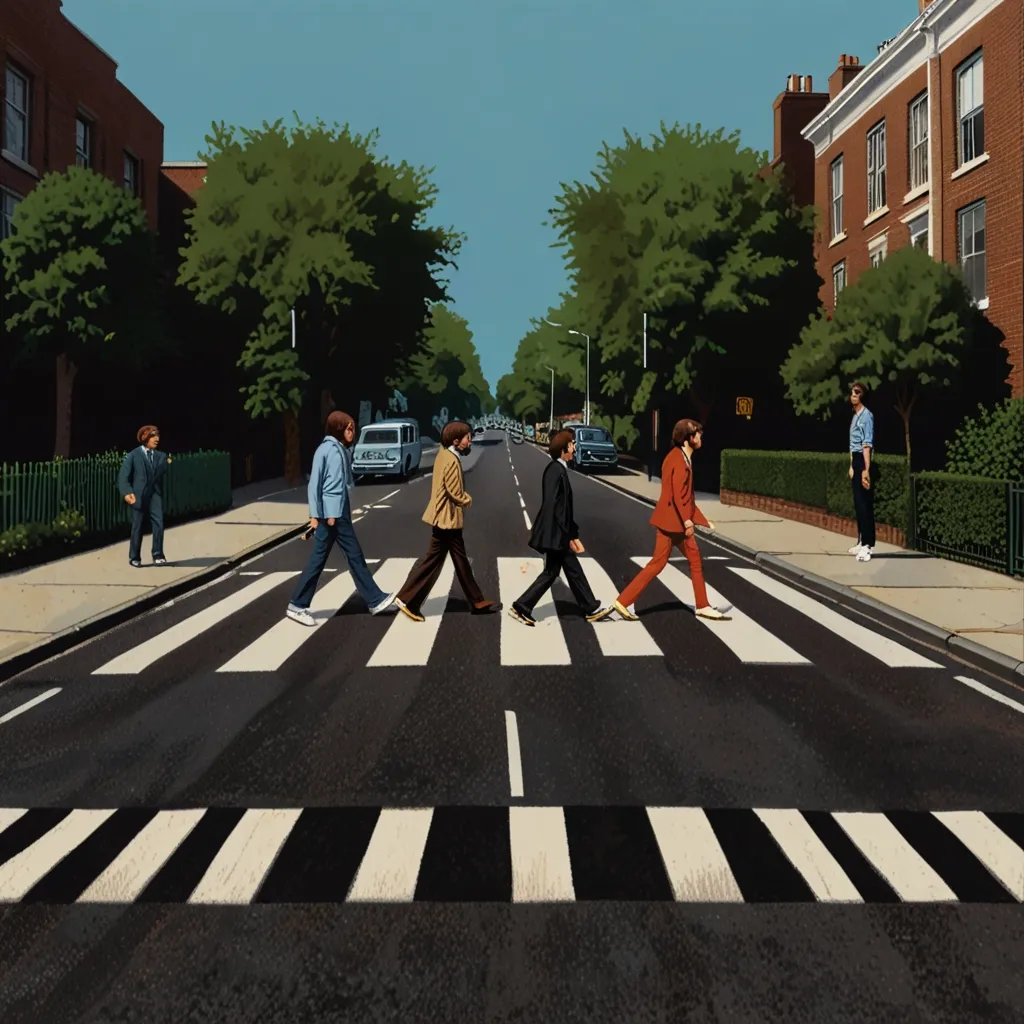
The whispers began in September 1966 but went into overdrive by September 1969. Beatles fans started dissecting their albums for clues. Some believed they uncovered hints in songs like “Revolution 9” from the White Album. When played backwards, fans claimed you could hear “Turn me on, dead man.” The Abbey Road album cover added fuel to the fire, showing McCartney barefoot and out of step with the other band members, making many think he was portraying a corpse.
The Abbey Road cover was especially picked apart. Fans saw it as a funeral procession: John Lennon in white as the preacher, Ringo Starr in black as the undertaker, George Harrison in blue denim as the gravedigger, and Paul barefoot as the corpse. The Volkswagen in the background with the license plate “28 IF” was believed to signal McCartney’s age if he had survived.
Despite how outlandish the claims were, the rumor spread like wildfire. It became a global obsession, with fans and the media hunting for any shred of proof. The Beatles found the entire saga amusing at first but soon got fed up with it. In a November 1969 interview with Life magazine, Paul himself tackled the rumors head-on, assuring everyone that he was very much alive.
The “Paul is dead” hoax wasn’t just a flash in the pan; it became a core part of Beatles mythology. Experts from various fields dissected it throughout the ’70s. It even seeped into pop culture, with artists and writers weaving it into their works.
Years later, McCartney had a bit of fun with the whole situation with his 1993 live album Paul Is Live. The cover art cheekily mimicked the Abbey Road cover, making it crystal clear he was very much alive.
The “Paul is dead” conspiracy theory remains one of the most captivating and long-lasting tales in music history. It’s a classic example of how ridiculously fast misinformation can spread and how fans can get super creative in reading into things. Despite its craziness, it’s now a permanent chapter in the Beatles’ story, showcasing the band’s monumental influence on pop culture.