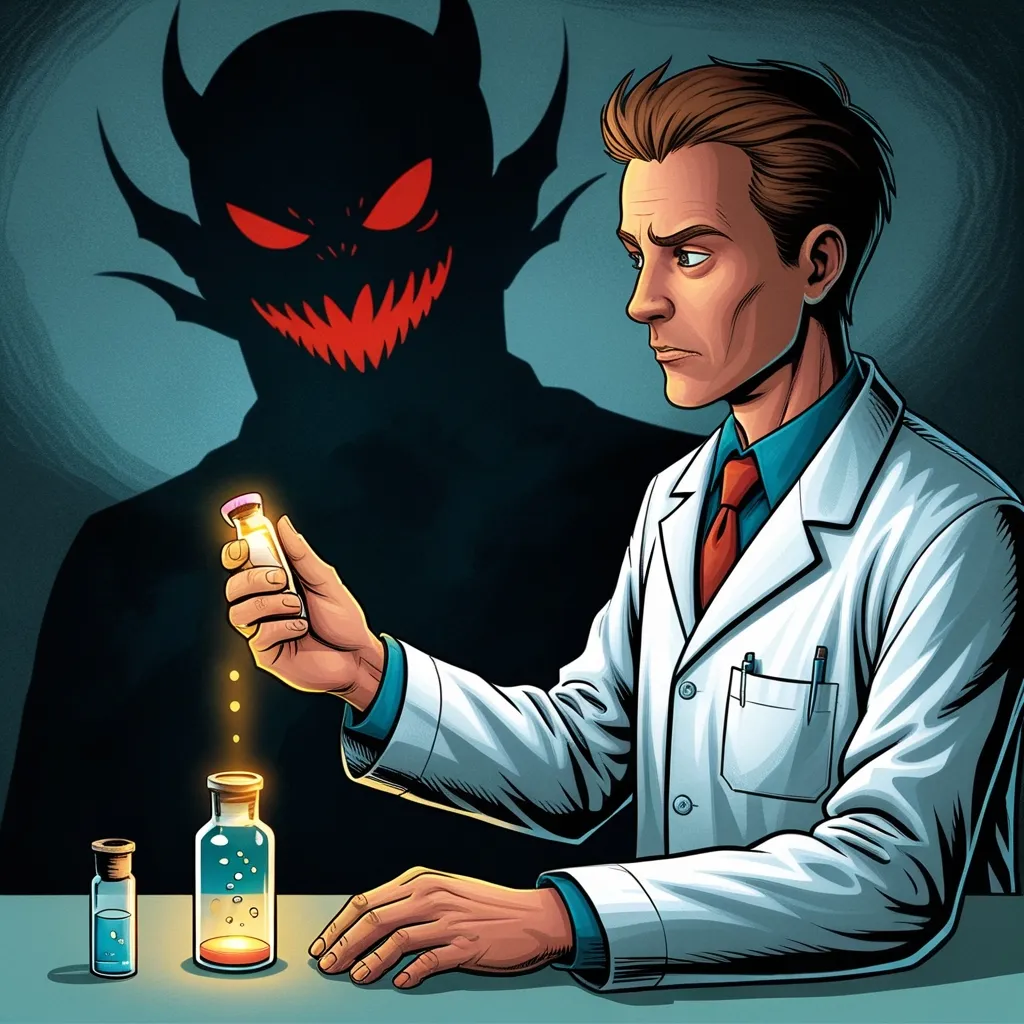
What Can We Learn from the Battle Against Sandy Hook Conspiracies?
Echoes of Tragedy: The Battle Against Misinformation and the Quest for Justice

The Sandy Hook Elementary School shooting on December 14, 2012, stands as one of the darkest days in U.S. history. A gunman ended the lives of 26 people, including 20 innocent first graders, in Newtown, Connecticut. Sadly, despite clear evidence and numerous eyewitness accounts, conspiracy theorists have cruelly suggested that this tragic event was a government hoax. This has only brought more pain and suffering to the victims’ families.
Among those spreading these damaging theories is Alex Jones, who runs InfoWars. He’s falsely claimed that the government staged the shooting to clamp down on gun ownership and even accused the grieving parents of being actors. These lies have deeply hurt the families, leading to harassment and threats from conspiracy followers.
Determined to fight these false claims, the families have pushed back against these lies. They’ve battled social media giants to remove hoaxer content and have taken Jones to court for defamation. Notably, Jones has lost multiple defamation cases and is also under the microscope for his connections to the January 6 Capitol riot. The families hope their legal battles will spare others from enduring the same kind of abuse.
This situation shines a light on a worrying trend: how easy it is to spread misinformation these days. In the past, only sophisticated enemies could sow such discord, but now, anyone with a smartphone and social media can spread harmful lies. This has big consequences for future elections and political stability.
The Sandy Hook shooting did spark a much-needed national debate on gun violence. It was a shocking event that got everyone talking about possible ways to reduce gun violence. The connection people felt with the Newtown community, along with strong media coverage, made it a pivotal moment.
After the shooting, social media played a big role in spreading information and connecting people. Millions of tweets went out globally, especially from the Newtown area. This helped disseminate news and let people connect instantly, no matter where they were.
Conspiracy theories about Sandy Hook aren’t just hurtful; they’re ridiculous. They ignore clear evidence and often contradict each other. For example, some theorists noticed port-a-potties outside the firehouse and claimed it proved the event was staged. In reality, these were likely supplied by local businesses to help the crowd gathered there.
Comparing the Sandy Hook shooting to the Virginia Tech shooting in 2007 shows a clear change. Back in 2007, social media wasn’t as prevalent, so conspiracy theories didn’t spread as widely. But by 2012, social media had become a power tool for misinformation.
The legal battles against Alex Jones and others are still ongoing. In 2022, a Connecticut jury ordered Jones to pay nearly $1 billion to the families of eight victims for the suffering caused by his lies. This verdict is one of the largest to date in this ongoing fight and serves as a warning against future misinformation.
Emotional testimonies during the trial revealed the deep impact of Jones’ lies on the Sandy Hook community. Families talked about the relentless online abuse, threats, and invasive behavior they suffered because of Jones’ false narratives. The trial highlighted the enduring trauma these families face, seeking justice and holding Jones accountable for his actions.
In conclusion, Sandy Hook was a devastating event marred by false conspiracy theories. These lies have only added to the pain of the victims’ families and demonstrate the dangerous power of misinformation in today’s digital world. The legal actions taken against Alex Jones and others are vital steps to fight harmful lies and ensure such tragedies aren’t exploited for political gain.