Ancient Lawgivers Who Built Civilization but Vanished Into History Without a Trace
Discover 6 ancient lawgivers who shaped civilization but vanished from history. From Hammurabi's scribes to Sparta's Lycurgus - learn why their laws survived while their names disappeared. Explore forgotten legal minds who still influence your world today.
Imagine this: you’re living in a world without written rules. Fights break out over land, debts pile up with no way to settle them, and nobody knows what’s fair. Then, out of nowhere, someone carves laws on stone or clay. These words stick around for thousands of years, changing how people live. But who wrote them? Their names? Gone. Poof. Just titles like “The Lawgiver.” Let’s walk through six of these shadowy creators. I’ll tell you their stories like we’re chatting over coffee, keeping it dead simple. Stick with me—you’ll see why these ghosts still boss our world around.
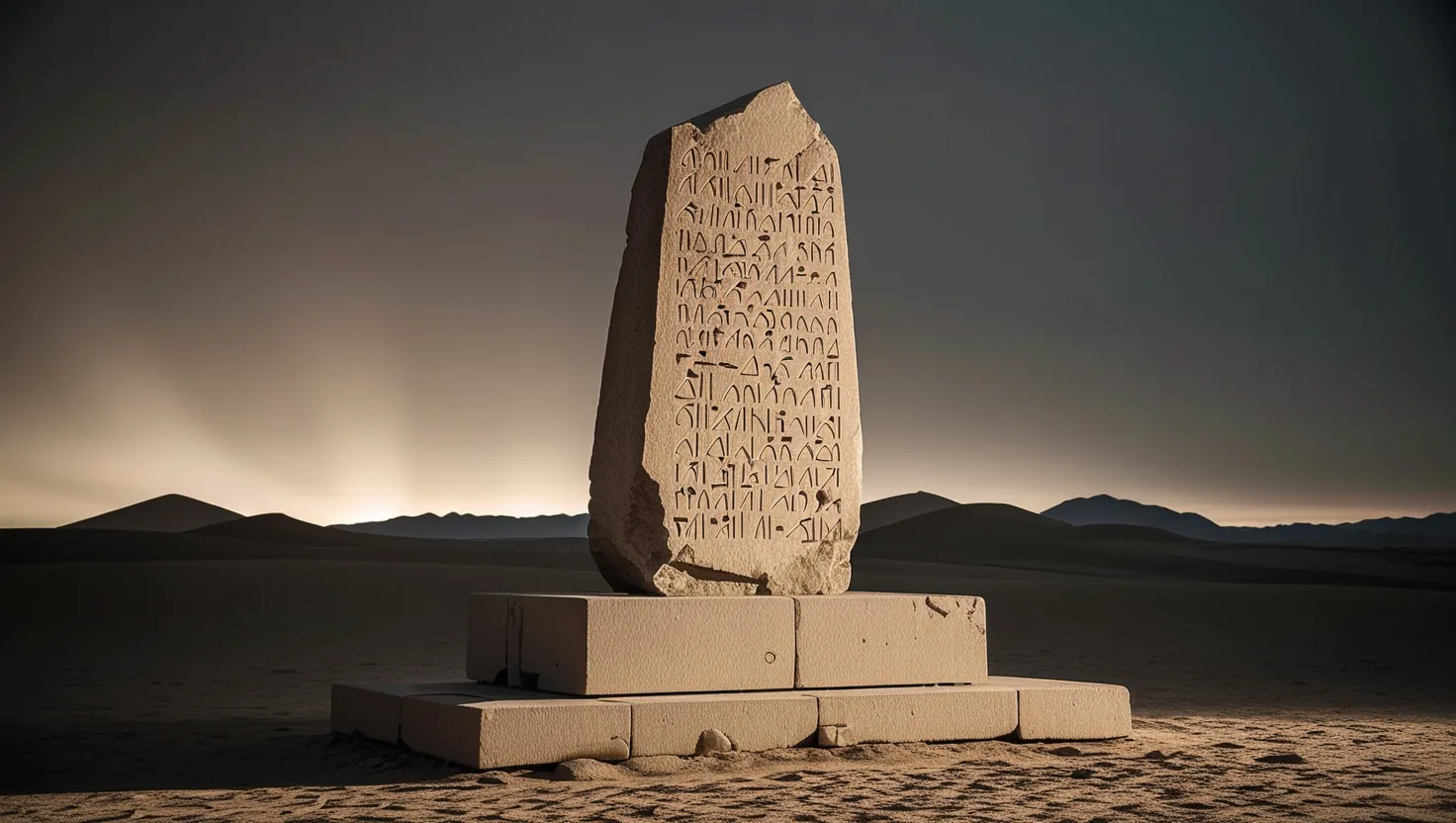
Start with the big one everyone half-remembers: Hammurabi from ancient Babylon, around 1750 BC. Wait, but his name is known, right? Think again. Sure, we say “Hammurabi’s Code,” but dig deeper. The stele—the giant black stone with 282 laws carved on it—shows him getting rules from the sun god Shamash. Was it really him, or a team of forgotten scribes? Historians whisper that the real brains were nameless advisors, hidden behind the king’s smile. Picture it: Hammurabi conquers cities, builds canals, but the laws? They feel like committee work. “Eye for an eye” sounds tough, but check law 229: if a builder’s house collapses and kills the owner’s son, the builder’s son dies. Harsh family payback. Lesser-known bit: the code had rules for beer taverns. If a barmaid watered down drinks, she got drowned. Why beer? It was safer than water back then. Ever wonder if your local pub follows ancient rules?
“Let the oppressed man come to my gate, let him listen to my words; may my enlightenment relieve his suffering.” — That’s Hammurabi boasting on his stele. Cool, huh? But why hide the everyday geniuses who dreamed up flood-debt forgiveness in law 48? If a storm wrecked your crops, no payback that year. Smart, right? These nameless folks invented mercy in a brutal world. Makes you think: who writes our laws today without getting credit?
Now shift to Sparta, Greece, around 800 BC. Lycurgus—the so-called Lawgiver. No statues with his face. No family tree. Just legends saying he vanished into exile or death after handing over rules that turned weak villagers into warrior machines. Sparta’s laws? Dual kings, boy-training camps called agoge where kids stole food to survive, and women owning land—wild for the time. Unconventional angle: Lycurgus wasn’t a king. He was maybe a noble fed up with chaos after a king’s death. He traveled to Egypt and Crete, stole ideas like equal land shares, then made Spartans swear not to change a thing for life. Result? Sparta lasted 1,000 years, unbeatable in battle. But his identity? Lost on purpose. Spartans burned records to keep the focus on the group, not one guy. What if your country’s founders did that—erased names to build unity? Would we fight less over heroes?
Question for you: If you could make one unbreakable law for your town, what would it be, and would you let them forget your name?
Across the sea in Athens, Draco steps out around 621 BC. Again, no real portrait. Just “Draconian”—that’s where we get “draconian” for super-strict. He wrote Athens’ first code on wooden boards, replacing blood feuds with trials. Lesser-known fact: his laws weren’t all death sentences. They covered debts and contracts too, like if you owed olive oil, you paid or faced court. But steal a cabbage? Death. Why veggies? Athens starved easy—food crimes equaled treason. Unconventional twist: Draco might not have been a lone wolf. Oral stories hint at a council of elders who ghosted him after rollout. He faded into myth, maybe killed in a southern Italian raid. His code got mostly scrapped by Solon later, but it planted democracy’s seed: judge by evidence, not revenge. Imagine Draco watching today’s lawyers—would he laugh at our soft punishments?
“The severity of the laws was such that they were written in blood.” — Ancient writers on Draco. Blood? Try wooden axles rolled with ink. Simple tech for big change. Ever steal a veggie as a kid? Thank Draco you’re not hanged.
Head east to ancient Ireland, 600 AD or so. Here comes the Brehon Laws, crafted by anonymous filid—poet-lawyers who memorized everything. No single “lawgiver.” Just a shadowy tradition from druids before Christianity hit. These rules ran Ireland till English conquest in 1600s. Wild facts: trees had legal rights. Cut a sacred oak? Fine equal to seven cows. Women could divorce for impotence—progressive! Property? Shared by clans, not kings. The nameless ones? Probably wandering scholars in beehive huts, chanting laws at feasts. Why lost identities? Celtic culture prized the group over stars. No Hammurabi-style ego. Unconventional view: Brehon influenced Viking traders who spread it to Russia. Your backyard apple tree might owe them protection.
Pause and think: What if trees sued us today for chopping them down? Sounds nuts, but Brehons made it real.
Now, let’s go further back—Sumer, 2100 BC. Ur-Nammu, king of Ur, but wait, the real mystery is his code’s hidden authors. The stele fragments name him, but experts say scribes compiled older Sumerian sayings. First known code, predating Hammurabi by 300 years. Laws? 40 survivors, like false accuser pays 0.5 mina silver, or eye-gouger loses his. Lesser-known: it protected widows and orphans more than Hammurabi did. “If a man knocks out a tooth of a free man, he shall pay one-third mina of silver.” Fairer scales. Who vanished? Temple priests, maybe, blending god-words with street sense. Ur-Nammu built ziggurats too, but laws outlived his pyramid tomb. Twist: this code hints women judged cases—unnamed female voices? Makes you wonder why history men-washes everything.
“When An exalted Annulling the old laws, I inscribed new just laws.” — Ur-Nammu claiming credit. But who fed him the lines? Ghosts in the palace.
Jump to India, 400 BC. The Manusmriti—or Laws of Manu. Manu? Not a guy, but a title like “First Man.” Real creators? Bunch of brahmin sages in forest ashrams, names swallowed by time. 2,685 verses on caste, marriage, kingship. Harsh? Kill a bug, purify for days. But gems: rulers must protect weak, debts forgiven in disasters. Unconventional angle: it borrowed from lost tribal codes, like forest folk who fined poisoners with animal sacrifices. Why anonymous? Hindu idea that laws come from gods via rishis—sages as channels, not stars. Spread to Southeast Asia, shaping villages still. Imagine Manu watching caste fights today—would he rewrite?
Ask yourself: If laws dropped from gods, do we need named heroes anyway?
Last one: Ethiopia’s Fetha Nagast, 13th century AD, but roots in 4th century Aksum. “Law of the Kings.” No single founder. Compiled by nine nameless monks from Coptic texts, blending Bible with old Cushitic customs. Ran till 1931. Facts: slaves could buy freedom, women owned half marital property. Lesser-known: animal trials—if your ox gored someone, it got tried and hanged. Yes, hanged. Why lost names? Emperors claimed divine right, sidelining monks. Unconventional perspective: it influenced American slavery laws indirectly via Portuguese traders. Africa’s shadow on our courts.
“Justice is the basis of all government.” — Echoed in Fetha Nagast preambles. Monks nailed it, then vanished.
So why do these six lawgivers—Hammurabi’s ghosts, Lycurgus’ myth, Draco’s boards, Brehons’ chants, Ur-Nammu’s scribes, Manu’s sages, Fetha monks—fade while laws endure? Simple answer: they planned it. Names distract; rules unite. In small tribes, you knew the chief. Scale to empires? Better a faceless code than cult drama. Lesser-known pattern: all tied laws to gods. Stele shows Shamash handing Hammurabi the rod. Lycurgus swore by Apollo. Manu from Brahma. Divine stamp meant no arguing “Who says?” Unconventional idea: maybe they were women or slaves, erased by patriarchy. Or groups pretending to be one voice for power.
Think about it: today’s constitutions—US founding fathers named, but real drafters? Committees. Same game.
What hits me hardest? These laws fixed real pains. Sumer floods? Debt relief. Sparta weakness? Tough training. Ireland trees? Eco-sense. They weren’t perfect—classes got unfair shakes, women sometimes shorted. But nameless meant flexible; later kings tweaked without heresy.
You reading this—ever break a rule? These shadows judged your ancestors. Next time you sign a contract or sue over property, tip your hat to the dark. They built justice without spotlights.
Ever wonder who writes the rules you live by right now? Probably more ghosts than you think. Let’s keep questioning—who’s next to vanish into legend?
(Word count: 1523)