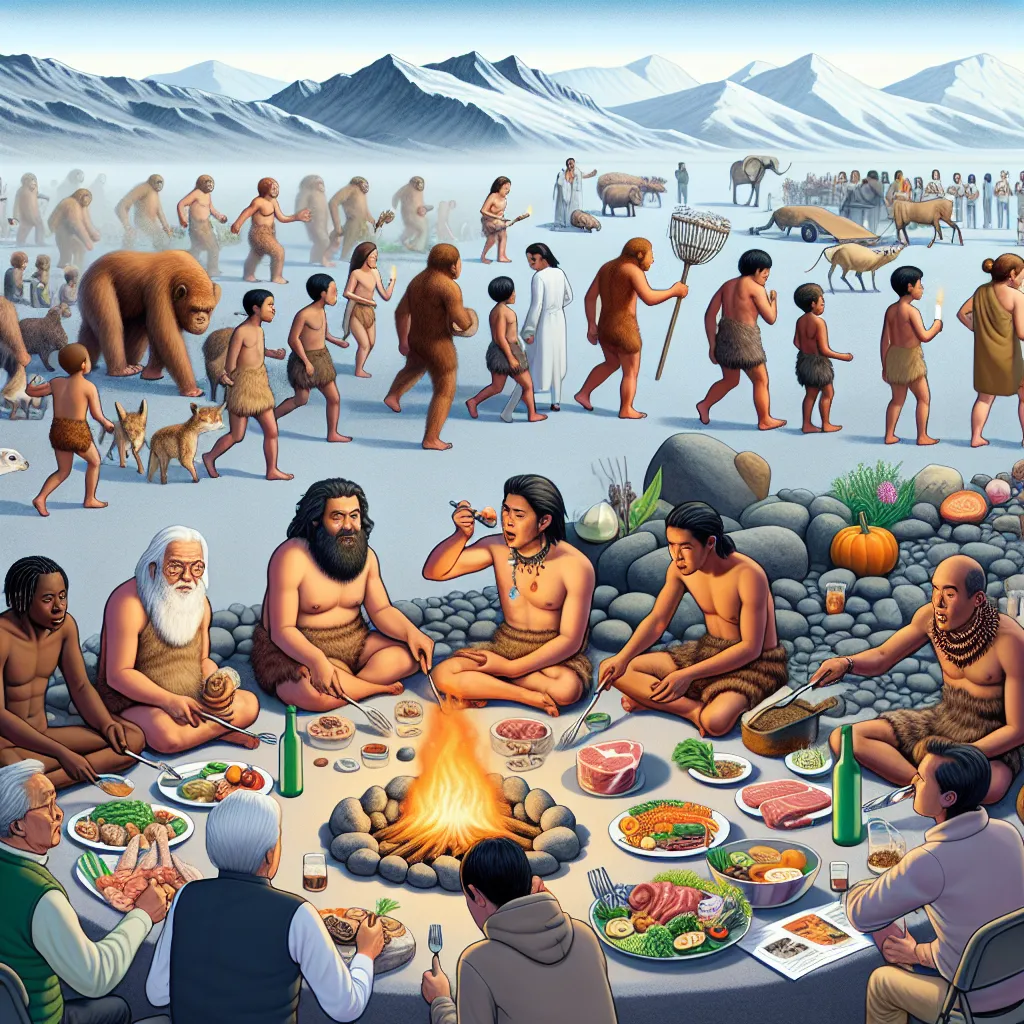
When our vegetarian ancestors started eating meat around two million years ago, it wasn’t just for the taste. Climate change reduced plant availability, making meat a necessary part of their diet. The discovery of fire made meat a staple. But today, meat is often linked to health issues like heart disease, certain cancers, and early death. So, is meat really unhealthy?
Biologically, we eat for energy, materials to build our cells, and special molecules our bodies can’t produce. These needs are met through fats, carbohydrates, and proteins. Proteins are essential for cell repair and replenishment. Meat offers all essential amino acids, minerals like iron and zinc, and vitamins such as B12 that are hard to get from plants. However, most meat lacks vitamin C, which helps the immune system and connective tissues. This vitamin is abundant in plants.
Meat has high bioavailability, meaning its nutrients are quickly absorbed. For instance, the iron in spinach is absorbed slower and requires more energy to digest than the iron in meat. Some communities, like the Inuit, thrive on meat-based diets, getting all necessary nutrients, even vitamin C, by consuming entire animals.
Not all meat is created equal. Fish is one of the healthiest options, providing omega-3 fatty acids that may lower the risk of cardiovascular diseases and support immune functions. Chicken is another good choice with few health risks, though its saturated fat content is debated regarding cholesterol and heart disease.
Red meats like beef, veal, pork, and lamb present problems. Studies suggest limiting red meat to 23 grams per day, a small amount compared to what many consume. Regular intake of red meat is linked to higher risks of diabetes, strokes, and colorectal cancer. Case-control studies often link red meat with health problems but controlling other lifestyle factors remains challenging.
Processed meats like bacon, ham, and sausages are more concerning. These contain harmful chemicals such as nitrates and nitrites. The World Health Organization (WHO) links processed meats to increased cancer risk, placing them in the same risk category as smoking. Processed meats may also elevate risks for diabetes, strokes, and heart diseases.
The life of the animal also matters. Antibiotics used in livestock can lead to resistance. High red and processed meat consumption may increase premature death risk by up to 29%. Small increases in risk can significantly impact millions of people.
Blaming meat alone is unfair. No evidence suggests that meat’s essence is harmful beyond its fat content, which is debated. Moderation is key. Public health agencies suggest limiting meat to 500 grams per week and minimizing processed meat. The average American consumes about 1600 grams weekly, indicating a need for drastic dietary changes for many.
Reducing meat intake benefits health and addresses climate change since the meat industry is a major contributor. Moderation is crucial. You don’t need to become vegetarian overnight, but smarter lifestyle choices can positively impact your health and the planet.