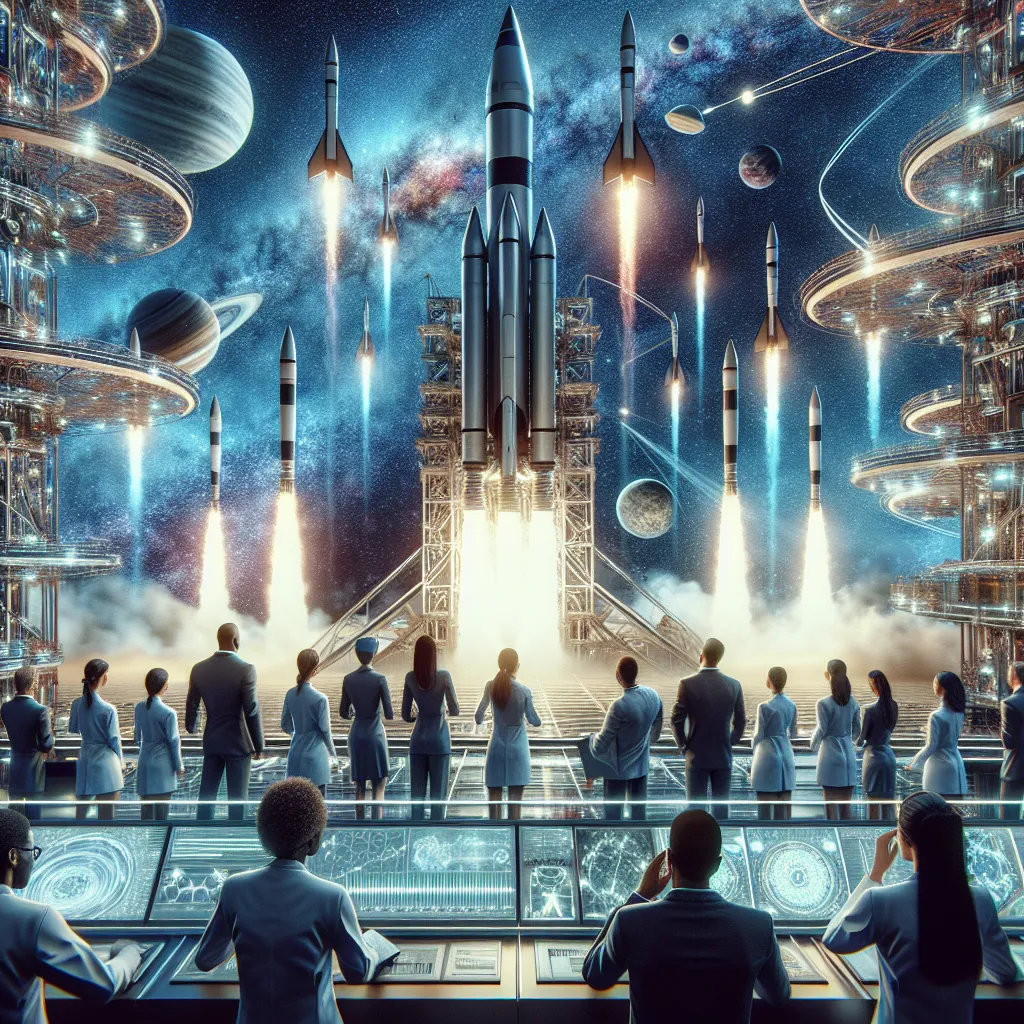
In Kotart Labs, we love experimenting with explosive ideas, even black holes. Recently, we explored a seemingly simple solution to nuclear waste: shooting it into space. Spoiler alert—it’s an incredibly bad idea, and it only gets worse the more you think about it.
Nuclear waste is a mixed bag. Most of it, around 97%, is low to intermediate level. This includes tools, gloves, or materials exposed to radiation but manageable through safe disposal or storage. The real trouble comes from the remaining 3%—high-level nuclear waste, which is spent reactor fuel, highly radioactive and hot. Each year, 440 nuclear reactors produce 11,000 tons of this dangerous waste, and so far, we’ve amassed 400,000 tons.
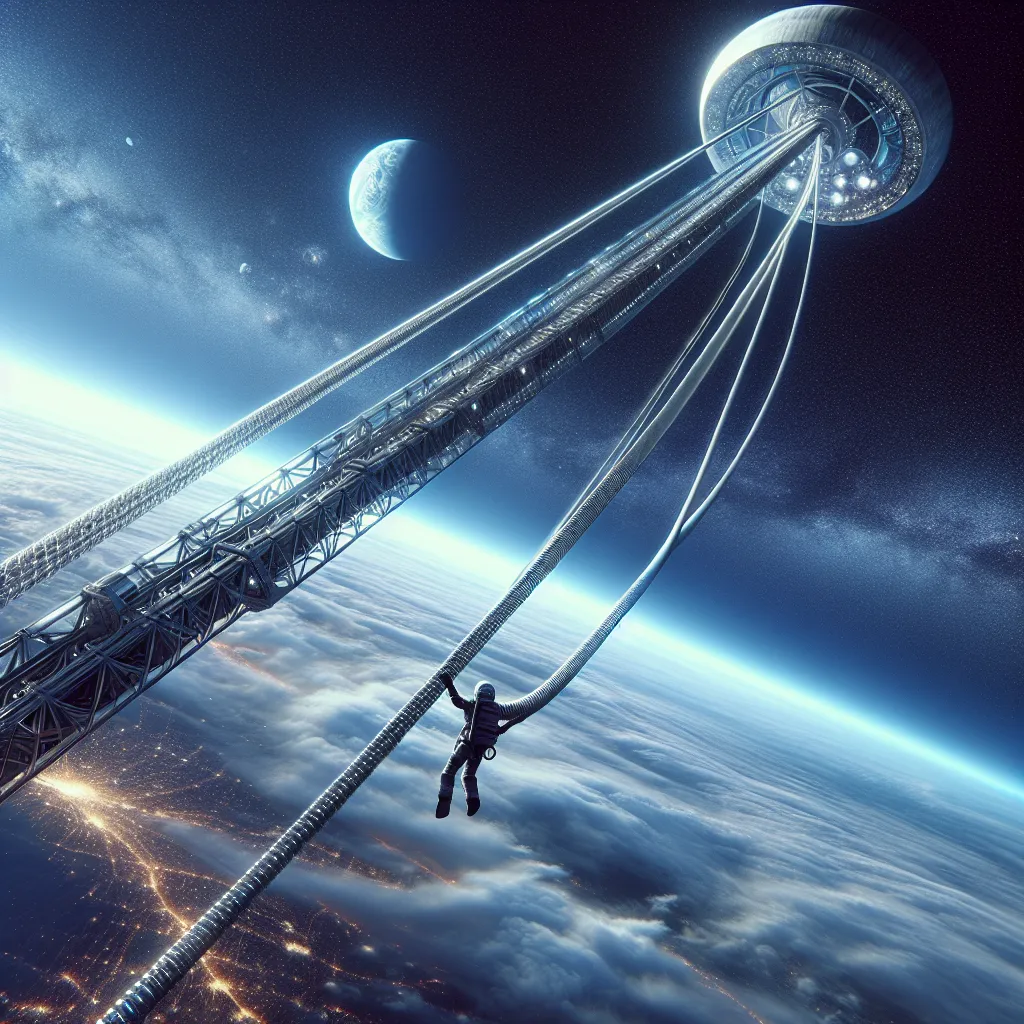
Launching this waste into space sounds perfect—space is vast, and nobody’s there. But reality sinks in with a crash when costs are considered. Just getting waste to low Earth orbit is insanely pricey, making nuclear fuel’s cost skyrocket. To give you an idea, lifting one reactor’s worth into orbit would cost $100 million yearly. If we wanted to handle the waste from all reactors, we’re looking at a mind-boggling $44 billion, and that doesn’t include packaging, transport, or security costs.
And then there’s the logistical nightmare. Even with a record 35 space launches in 2021, we’d need about 14 times that number to manage just the new waste each year. This means creating an entire industry of massive rocket operations, pushing costs and complexity through the roof.
Space isn’t just big, it’s tricky. Dumping waste into low Earth orbit would clutter space and might even see radioactive debris raining down on us within years. Aiming for the Moon or further requires even more powerful and expensive rockets. Shooting waste randomly into deep space also risks it boomeranging back to Earth in the distant future.
The Sun, ironic as it sounds, is hard to hit due to orbital physics. It’s easier to send rockets out of the solar system entirely, and building such rockets is no small feat. Our current technology isn’t foolproof either. Rocket failures happen, and a rocket carrying nuclear waste exploding would be a catastrophe, spreading radiation far and wide.
So, what’s the verdict? Launching nuclear waste into space is one of the worst ideas ever. But the fear of nuclear waste masks a bigger issue: our misunderstanding of risk. Coal burning releases far more radioactive material into the environment, handled far less safely than nuclear waste. Living near coal ash piles massively increases cancer risk, and this is on top of heavy metals and CO2 emissions.
Nuclear energy isn’t perfect, but handling its waste through safe, terrestrial methods—like deep burial or reprocessing—is manageable. Ultimately, we need to face the reality of nuclear waste responsibly, rather than entertain cosmic, costly, and catastrophic solutions.
If you found this fascinating, stay tuned with us for more science adventures. Your support helps us dig deep into these wild questions and share our discoveries. Thanks for being part of our journey!