Humans have always been fascinating creatures, forever battling both external threats and internal dilemmas. Our story is one of survival, innovation, and an unyielding quest to dominate the world. Initially, we weren’t the apex predators we boast of being today. Ages ago, other humans posed a severe threat to our ancestors. Despite our intelligence and adaptability, early humans were prey to formidable enemies lurking in the wild.
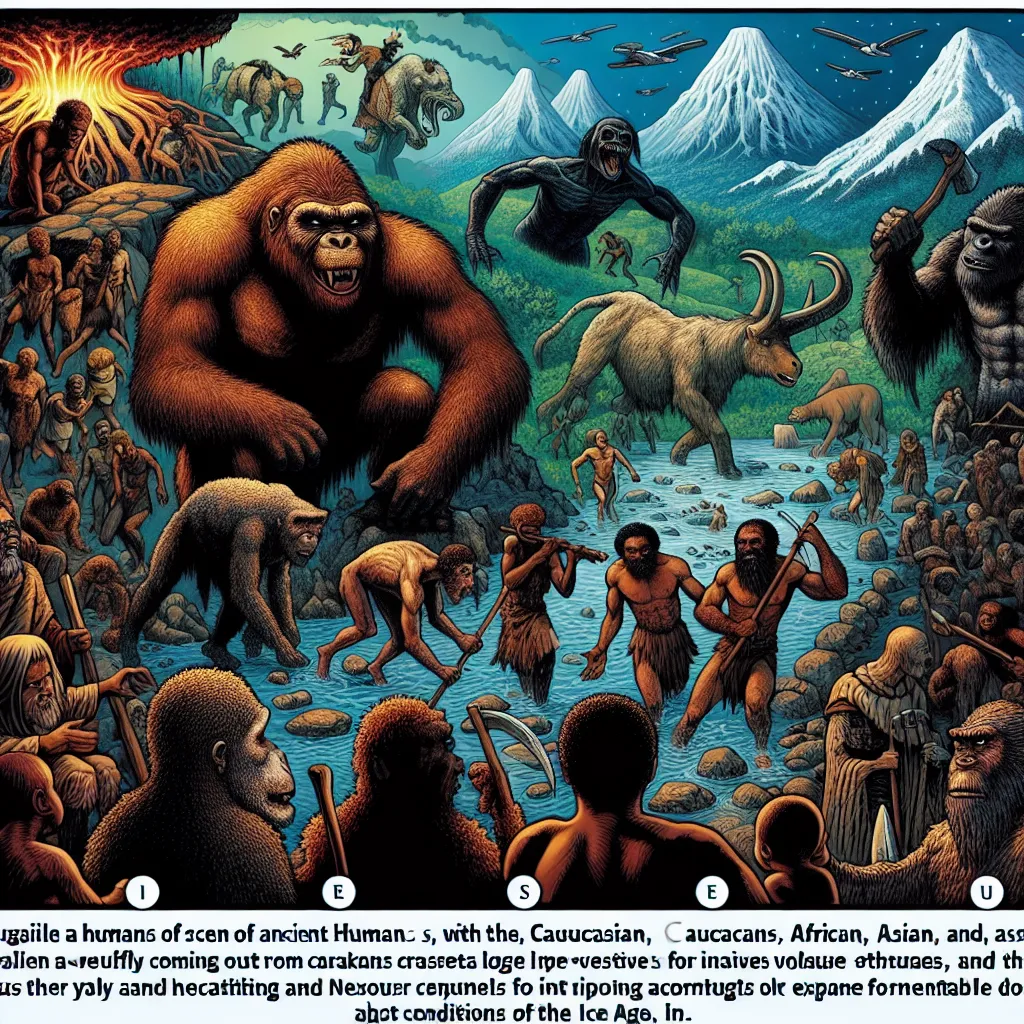
Emerging cautiously from caves, our ancestors hoped to avoid the terrifying creatures of the night—creatures that became the stuff of legends and nightmares. These ancient monsters left an indelible mark on our collective psyche, a trauma encoded into our DNA over eons. But who were these fearsome beings? They were none other than other humans.
Imagine living in a time when venturing out to gather food was a perilous task. Our ancestors faced the ultimate warriors, the Neanderthals. Far from the bumbling cavemen we’ve often depicted, Neanderthals were intelligent, organized, and terrifyingly efficient at hunting. They built tools, music, and art but were unparalleled in creating weapons. For over 500,000 years, they dominated vast regions from Europe to Asia.
Neanderthals thrived on a strictly carnivorous diet, hunting massive beasts like mammoths and rhinos, but they also had a taste for human flesh. Fossil records reveal evidence of their brutal methods, as bones show clear signs of butchery. They were not only predators but also fierce competitors, pushing us to the brink of extinction more than once.
The genetic diversity among modern humans is astonishingly low. Studies suggest that around 80,000 years ago, our numbers dwindled to just about 50 individuals. This bottleneck in our genetic pool indicates that we narrowly escaped complete annihilation. Yet, amid this struggle, we learned to adapt and innovate.
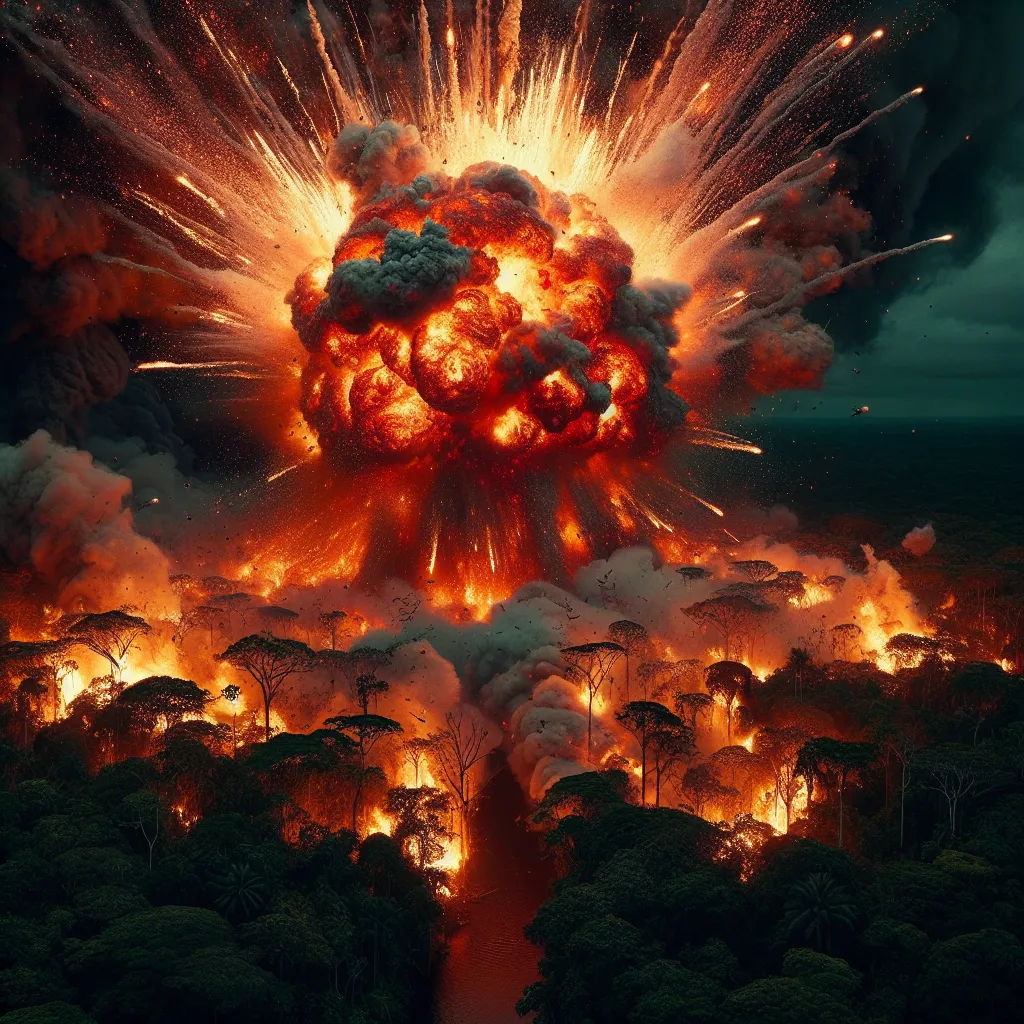
Violent conflicts with Neanderthals lasted over 100,000 years, with frequent evidence of skull fractures and broken arms from brutal encounters. Our ancestors eventually turned the tide, partly thanks to a cataclysmic event around 40,000 years ago. A colossal volcanic eruption in Italy severely impacted the Neanderthal population. The ensuing ice age decimated their food sources, causing their numbers to decline drastically.
Interbreeding between Neanderthals and early humans did occur, and this genetic mingling had profound implications for our survival. Many of us carry Neanderthal DNA, which has contributed to our robust immune systems and adaptability. Despite their extinction, their legacy lives on in us.
Today, we are the apex predators, the dominant species on Earth. Our journey to this status is a tale of resilience, ingenuity, and perhaps a bit of luck. As science continues to reveal more about our ancient adversaries, we better understand how close we came to being eclipsed by another human species.
So, while we now reign supreme, it’s fascinating and humbling to consider the ancient battles that shaped our destiny. And who knows, maybe those terrifying, fur-covered figures still linger in our legends, evolving into the Bigfoot myths of today. Until next time, keep curious and stay safe!
Curiosity is what drives our understanding of the world, so if there’s another intriguing story you’d like to delve into, let’s explore it together. Don’t forget to share and stay connected for more fascinating insights into our past.