What if We Dropped the Biggest Bomb Ever in the Deepest Ocean?
The Underwhelming Impact of Nuking Earth's Deepest Abyss
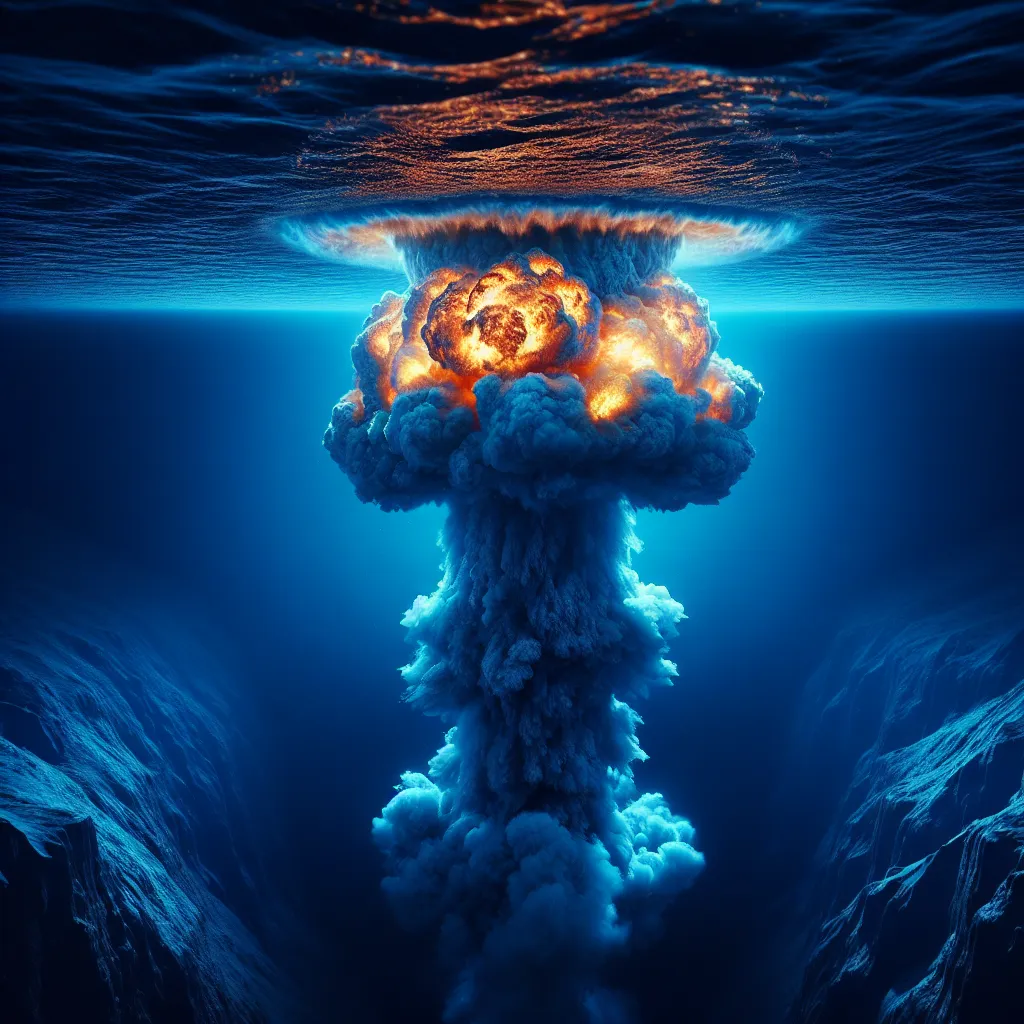
What would happen if we detonated the most powerful nuclear weapon at the deepest point of the ocean? If you’re imagining massive tsunamis, devastating earthquakes, and new volcanoes, you’re not alone. Some might even think it could tear the Earth apart or throw it out of orbit. Well, let’s dive into that.
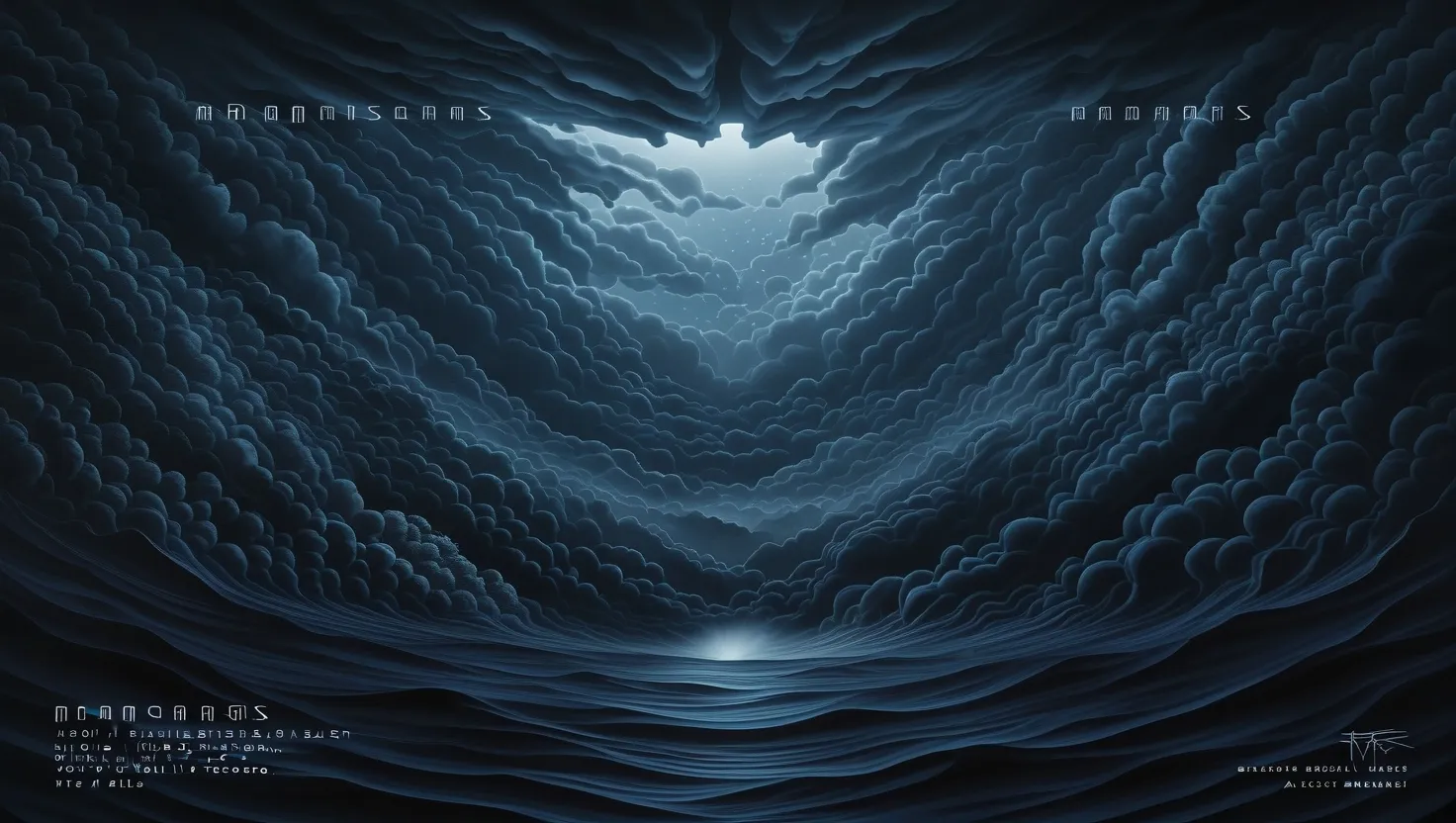
The deepest known point on Earth is in the Mariana Trench, a dark and mysterious place about 11 kilometers deep. It’s like an upside-down mountain at the edge of two tectonic plates. It’s one of the last unexplored frontiers, shrouded in darkness and under immense pressure, making it a unique spot for our hypothetical nuclear test.
We’d use the Tsar Bomba, the most powerful hydrogen bomb ever detonated by humans. This bomb shook the Earth enough that its shockwave circled the globe three times and it had a fireball that reached up to 56 kilometers into the sky. With such immense power, you’d expect it to wreak havoc if detonated underwater, right? Not quite as you’d think.
When the bomb goes off in the Mariana Trench, the explosion releases the energy of 50 megatons of TNT in a flash, lighting up the trench briefly. It creates a massive bubble of fiery water vapor and radioactive debris. This bubble grows quickly but soon hits the unyielding pressure at the trench’s depth. Surprisingly, the immense pressure forces the bubble to expand and contract several times until it loses momentum, fragmenting into smaller bubbles that rise innocuously to the surface.
The result on the water’s surface is underwhelming—just a small wave and a bubbling plume of warm, radioactive water. No colossal tsunami to wipe out Japan or California. The radioactive fallout would mostly dilute into the ocean, causing some atmospheric fallout that would rain back down, but without catastrophic consequences.
What about triggering earthquakes or volcanic activity? Even detonating the bomb at the precise point where tectonic plates meet wouldn’t cause an apocalypse. The energy mostly dissipates into the water, not into seismic waves. Natural earthquakes with similar energy levels happen regularly without ending the world. And would it affect Earth’s orbit? Not at all. The mass of the Earth remains unchanged, and past nuclear tests haven’t altered our orbit, so this wouldn’t either.
So, if we detonate a powerful nuclear weapon deep in the ocean, the grand catastrophe you might expect turns out to be pretty much nothing. The Earth shrugs it off, barely noticing our efforts to make an impact.