What If Your Commute Turned Into a Nuclear Nightmare?
Witnessing the Terrifying Reality Beyond Video Game Nuclear Explosions
Playing with nuclear weapons in video games might feel exhilarating, with all those fireballs, shockwaves, and radiation effects. But it doesn’t actually help us understand the real impact of a nuclear explosion. It’s not just about explosions; it’s about the devastating effect on people.
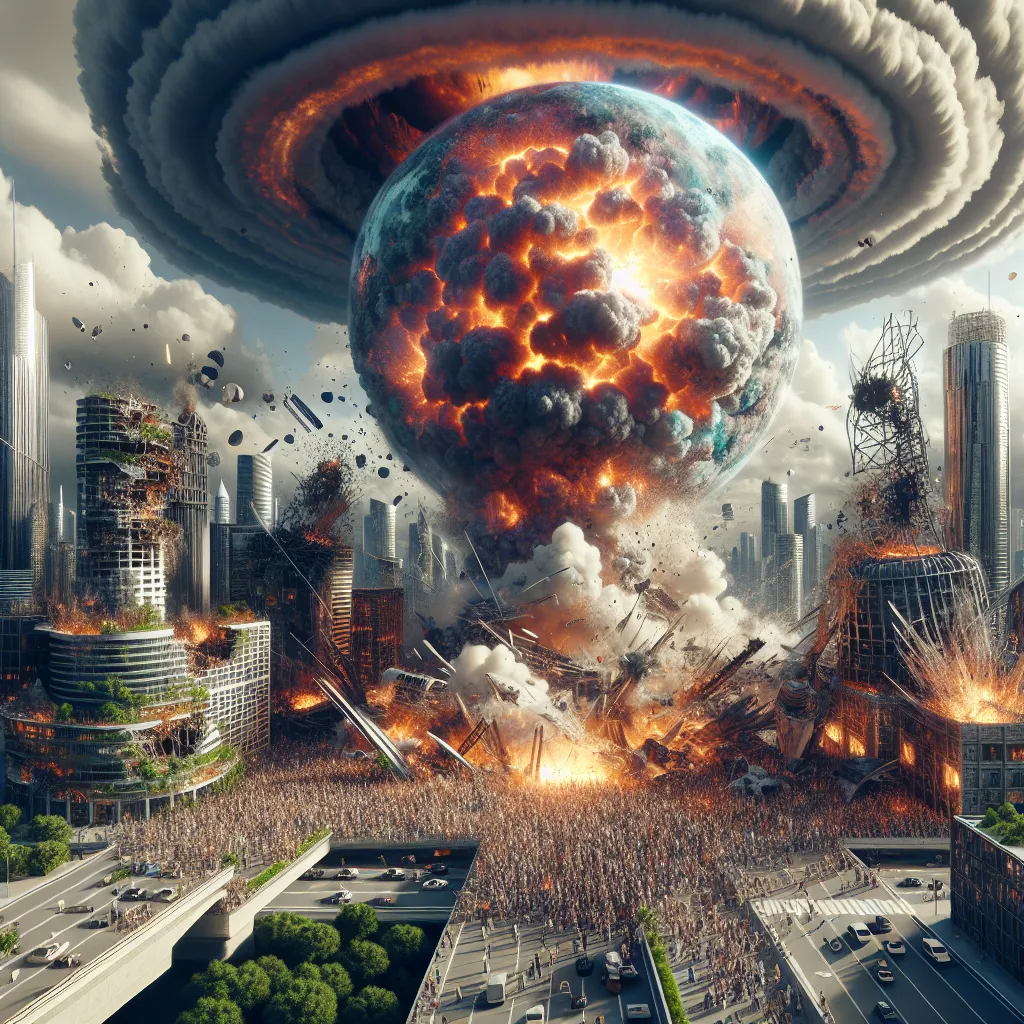
Imagine this: a busy downtown area in a major city. People are rushing to work, attending classes, or simply lost in their daily routines. Suddenly, a nuclear weapon detonates. In less than a second, a plasma ball hotter than the Sun appears, wiping out everything in a 2-kilometer radius. Buildings, cars, trees, and people evaporate in an instant. A flash of light blinds anyone looking in its direction and generates a thermal pulse that burns everything up to 13 kilometers away. The difference between walking to work and being engulfed in flames happens in less than a heartbeat.
Following the flash is a powerful shockwave, obliterating everything in its path. Winds stronger than hurricanes flatten buildings and fling people around like dust. In a blink, houses collapse, gas stations explode, and fires spread. A mushroom cloud rises, spewing radioactive dust and ash, casting a dark shadow over the devastated city.
In the minutes following the explosion, chaos reigns. There are extensive injuries and countless people are trapped in the rubble. Hospitals are destroyed and help is nowhere in sight. Radiation exposure follows, with black radioactive rain poisoning everything and everyone. As days pass, radiation sickness claims more lives.
Without infrastructure, there’s no effective response from neighboring cities. Roads are blocked, communication systems are down, and supplies are scarce. Survivors emerge from the wreckage, traumatized, sick, and desperate for food, water, and medical care.
The aftermath is ongoing. Over weeks, months, and years, survivors face heightened cancer risks and lasting trauma. Governments might downplay the reality, but no nation is equipped to handle such a catastrophe.
The chilling truth is, the world leaders’ nuclear threats are more dangerous now than they’ve been in decades. Nuclear weapons are not a solution; they’re a grave threat. The only smart move is to eliminate them entirely. In 2017, nearly two-thirds of the world’s countries and several organizations supported a treaty to ban these weapons.
This isn’t about which countries have nuclear weapons; the weapons themselves must go. They pose an existential threat to humanity. Regardless of political affiliations or national borders, we need to demand an end to nuclear weapons. We need collective pressure to push governments into action.
Want to be part of the change? Learn more at notonukes.org and take steps to help eliminate nuclear weapons. Let’s work together for a safer future.