What Unleashes Madness on the Dog Suicide Bridge?
When Shadows Beckon: The Haunting Enigma of Overton Bridge
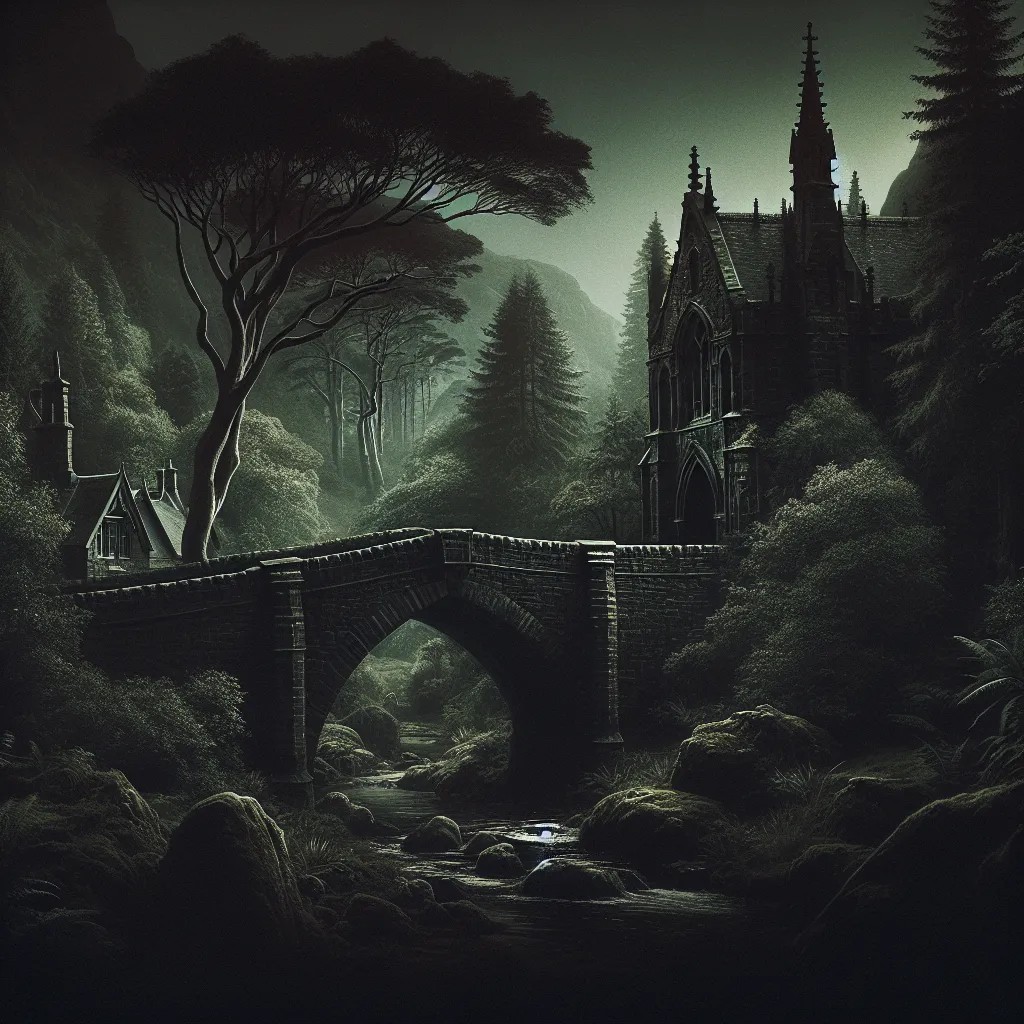
In Scotland, nestled in the village of Milton, there’s an eerie 19th-century gothic bridge called Overton Bridge. Locals have given it an unnerving nickname: “the Dog Suicide Bridge.” Creepy, huh? Since the 1950s, countless dogs have mysteriously leaped off this bridge, with about 50 meeting their end.
The bridge was built in 1895 and leads up to Overton House, a grand manor dating back to the same era. It spans a deep 50-foot ravine known as Overton Burn, and stories about dogs jumping off this bridge are widespread. They’ve even been featured on TV shows and books, yet no one has definitively solved the mystery.
Some believe supernatural forces are at play, suggesting the bridge’s location fits Celtic pagan ideas of “thin places” where heaven and earth touch. Others point to the ghostly “White Lady of Overton.” According to local legend, she is the grieving widow of John White, who haunted the house for over 30 years after his death in 1908.
A tragic event in 1994 adds a darker twist. In that year, a father, convinced his baby was the Antichrist, threw the child off the bridge. The baby didn’t survive, and the father was deemed insane. Some locals claim dogs leap from that very spot, hinting at some supernatural rift affecting their behavior.
Most animal behaviorists reject the idea that dogs commit suicide. While dogs can suffer from depression, they don’t intentionally leap to their deaths. So, why this bridge?
In 2006, a canine psychologist named Dr. David Sands investigated. He suggested the bridge’s construction might play a role. The bridge’s waist-high walls are solid, with tall trees and dense greenery all around, masking the dangerous drop from a dog’s view.
Dr. Sands also proposed that the scent of animals could be a factor. Minks, introduced to Scotland in the 1920s, became numerous by the 1950s, coinciding with the start of these incidents. The bridge’s undergrowth teems with minks, squirrels, and other critters that drive dogs wild. On clear, sunny days when scents travel well, dogs might leap in pursuit of these animals, unaware of the drop.
To test his theory, Dr. Sands conducted a field experiment with dogs exposed to various animal scents. Most dogs gravitated towards the mink scent, supporting his idea that these enticing smells lead to the fatal jumps.
Despite this, locals remain skeptical. They talk about a strange feeling on the bridge and even claim to feel invisible proddings urging them to the edge, hinting at a supernatural element still at play.
Skeptics argue that other bridges in the region share similar characteristics yet don’t have the same tragic occurrences. So, what do you think? Is it the scent of minks driving dogs to their doom, or is there something more mysterious afoot? Let us know your thoughts.