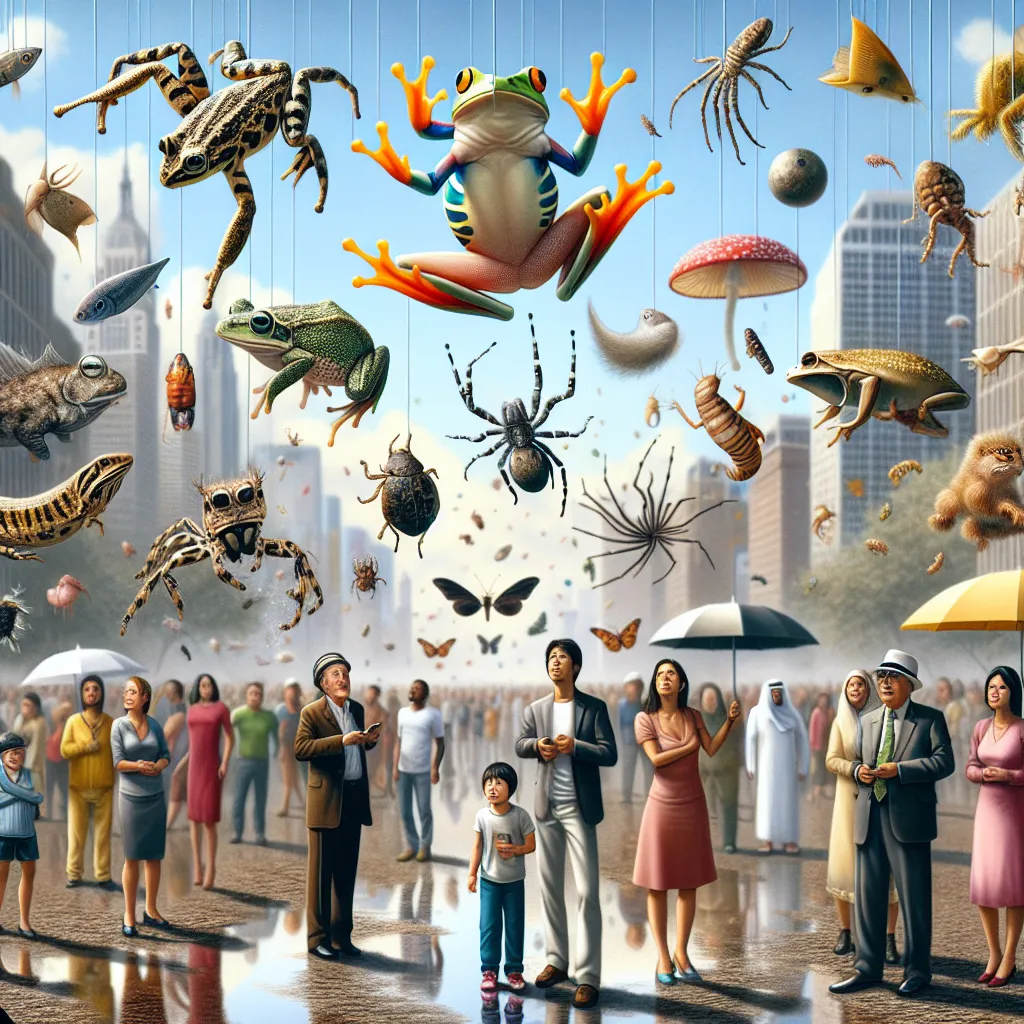
Imagine someone strolling into your kitchen, grabbing a few pots, and then burying them in the woods. Fast forward 12,000 years, and an archaeologist is trying to piece together your life—your interests, your hobbies, your beliefs, and your lifestyle—all from that junk.
In many ways, this is what we’re doing today, trying to understand the folks who lived 12,000 years in the past. All we have are remnants and echoes of a time long gone.
For millions of years, human life remained essentially the same, until about 20,000 years ago. That’s when modern humans started a journey of change, first gradually, then rapidly. Back then, there were around a million humans on Earth, and other human species had mostly disappeared.
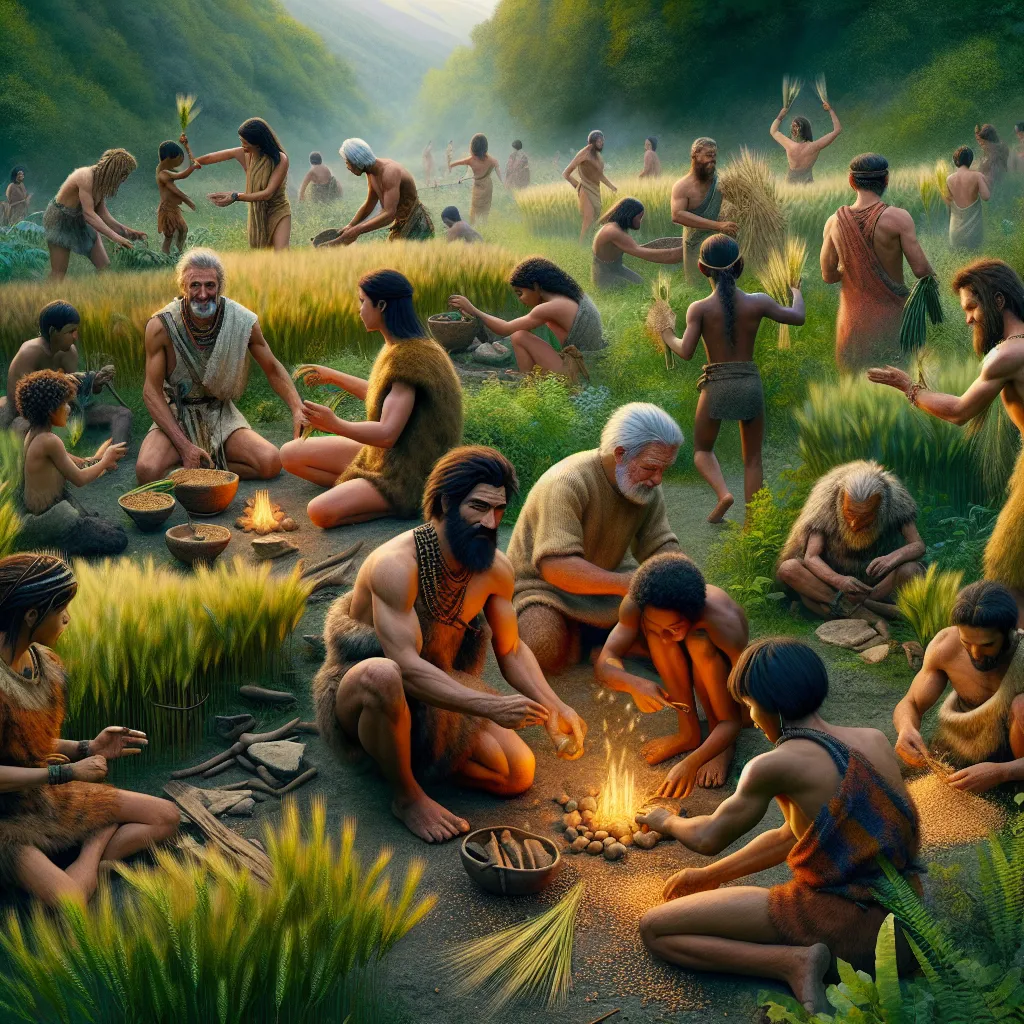
Early humans were well-equipped with general intelligence, social understanding, and language. They lived in small communities, used fire, crafted tools from wood, stone, and bone, and even created art. They told stories, mourned their dead, and traded goods like obsidian and shellfish. Some were hunters on the move, while others were gatherers who stayed in areas with plentiful resources.
Then came a slow but meaningful change. In the Jordan Valley, evidence shows humans started collecting wild wheat about 20,000 years ago. They noticed something magical—seeds planted in the ground grew into plants. This new knowledge allowed them to predict food supplies better, leading to the first bread and beer.
Generation after generation, they learned more about manipulating plants and animals, reducing the space needed to feed each individual. Around 12,000 years ago, these small innovations hit critical mass, leading to the Agricultural Revolution, although it wasn’t a sudden event. It was more like one step at a time.
Agriculture changed everything. Suddenly, instead of small, nomadic groups, humans were living in villages, towns, and eventually cities. This wasn’t always a smooth transition. Early farmers had less diverse diets and lived in closer quarters, which led to the spread of diseases. Even so, the population grew.
About 100 generations after the beginning of the agricultural era, humanity’s numbers had soared to around 4 million. More people meant a greater demand for food, driving further innovations in agriculture. There was no turning back to a hunter-gatherer lifestyle.
But why would anyone swap the freedom of living off the land for the grind of farming? The reasons remain unclear. Some believe climate change made agriculture necessary. Others think factors like under-nourishment or overpopulation played a role. Most scholars agree that it was a deliberate choice by communities worldwide.
One intriguing theory suggests that humans’ ability to gather, celebrate, and share knowledge catalyzed this transition. Hunter-gatherers might have traveled far to exchange innovations, better hunting tactics, and knowledge about plants and animals. These gatherings could have spread agricultural practices, ushering in a lifestyle that was groundbreaking for our species.
Today, we’re still the same humans, filled with the potential to come together, share knowledge, and celebrate. Maybe it’s time to start a new transition, one that might be remembered 12,000 years from now. Hopefully, our descendants will look back and thank us for the incredible world we’ve helped shape.