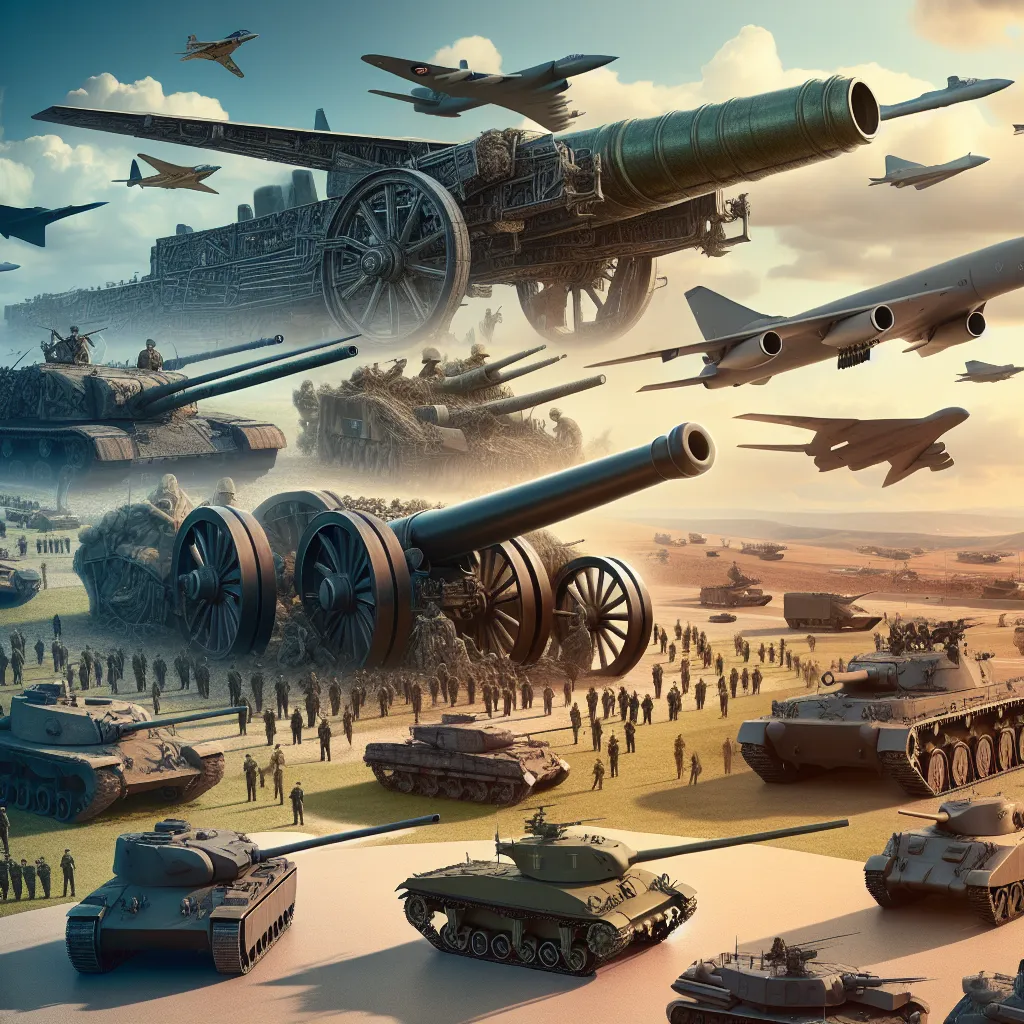
Throughout history, the biggest empires always had massive armies or navies, with innumerable ships, soldiers, or both. In modern times, science and industry continuously push the boundaries of technology and imagination, often resulting not in bigger armies but in bigger, more powerful weapons.
World War I saw the advent of monumental guns like Big Bertha, a German siege weapon that could hurl 800 kg projectiles devastatingly far. But by World War II, super-cannons had evolved even further. One of the biggest was “Anzio Annie,” one of 25 enormous railway guns created by the Germans to penetrate French border fortifications. Though these colossal weapons didn’t see action on the Maginot Line, they bombarded Allied troops with terrifying ferocity, proving that the true power of these weapons lay not just in their sheer size but in their psychological menace.
In modern times, a memorable weapon is the 280 mm cannon, also nicknamed “Atomic Annie.” It was designed in the early ’50s to deliver nuclear payloads. Unlike conventional artillery, this monster could set up in just 15 minutes, but its monstrous stature eventually proved a disadvantage due to the tracks it needed, which could easily be bombed.
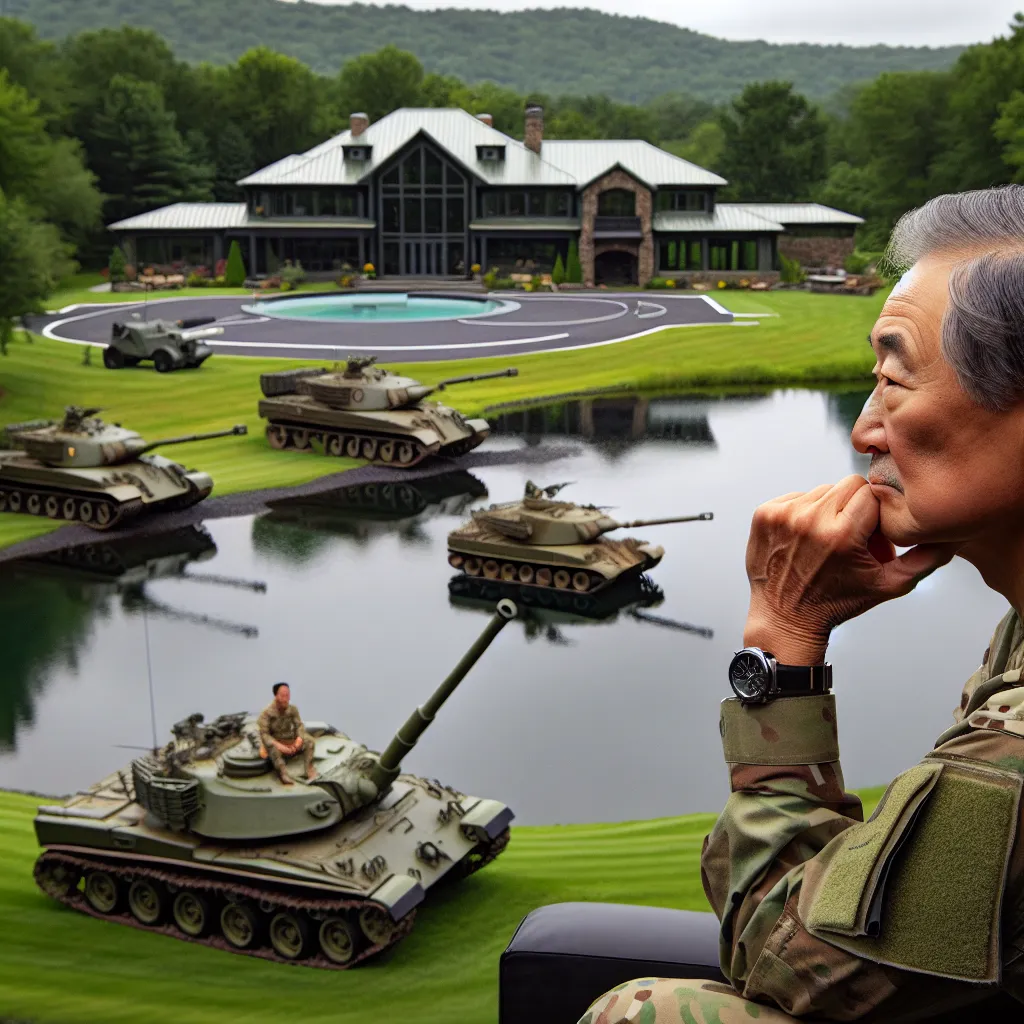
Weapons like the tank-breaking M7 have shown that power doesn’t always correlate to size. This 155 mm marvel can be airlifted to any battlefield swiftly, allowing military forces to maintain strategic advantages like never before.
And let’s not forget the continuously advancing railway guns. The K5, with its 288 mm barrel, was an engineering feat that delivered death from nearly 50 km away, but its need for railway tracks was a fatal flaw. Lay the tracks, and the enemy bombers had a clear path to take you out.
Some of the most stirring images of WWII involve iconic tanks. The British introduced the 28-ton Mark I tank in 1916, an engine of war designed to navigate through trenches that regular troops couldn’t breach. Though its first deployment was marred by mechanical issues and slow speed, it set the stage for the tank’s development as a crucial war machine. Its descendants in WWII, like the German Blitzkrieg tanks, redefined ground warfare.
Unfortunately for the British, they had lagged in tank design by WWII’s onset, compelling them to rely on American ingenuity. Enter the M4 Sherman—the warhorse that could face the German Panthers head-to-head, armed with a potent 75 mm gun and mobility that outclassed its foes.
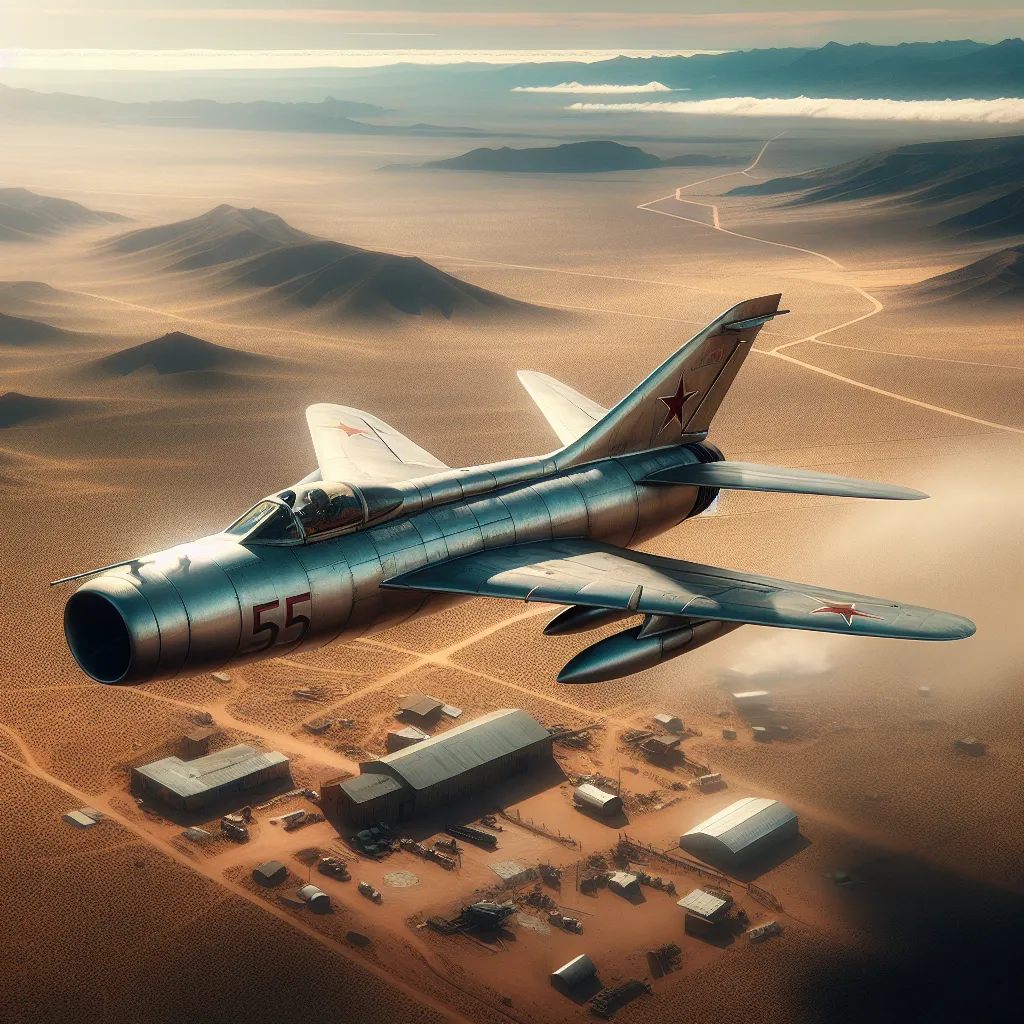
Meanwhile, in the air, bombers saw tremendous advancements in their destructive capabilities. WWII’s B-29 Superfortress symbolized this leap, a flying behemoth that could deliver catastrophic payloads. Its role in ending the war in the Pacific via atomic bombings underscored air power’s new, frightful potential. This trend continued with aircraft like the TU-160 Blackjack, a supersonic bomber that presented a technological marvel in its ability to carry out sweeping, rapid-attack strategies.
Amidst these evolving machines of war, however, naval power remained paramount. The early 20th century’s battleships culminated in the WWII-era Iowa-class, battlewagons wielding 410 mm guns. Yet, the dawn of aircraft carriers soon overshadowed battleships, with the Pacific Theater’s history being largely written by aircraft launched from these floating airfields.
The Cold War shifted some priorities, as submarines and nuclear-powered vessels took center stage. The USS Enterprise and its successors, like the Nimitz-class carriers, brought nuclear propulsion to the forefront, enabling unprecedented operational range and endurance. These monoliths herald a new era in naval power, ensuring that the quest for bigger, faster, more powerful machines of war fashioned a complex and ever-changing landscape over the decades.
The machinery of modern warfare, ranging from colossal cannons to agile missiles, underscores the relentless push toward increased power, reach, and devastating efficiency—continually shaping the way we engage in conflict.
And as Sun Tzu foresaw millennia ago, the most effective battle strategy often capitalizes on the element of surprise, making advanced stealth technologies the newest frontier in the age-old dance of war. Whether it’s a supersonic bomber or an impregnable tank, the machinery of war shows no signs of halting its relentless evolution.