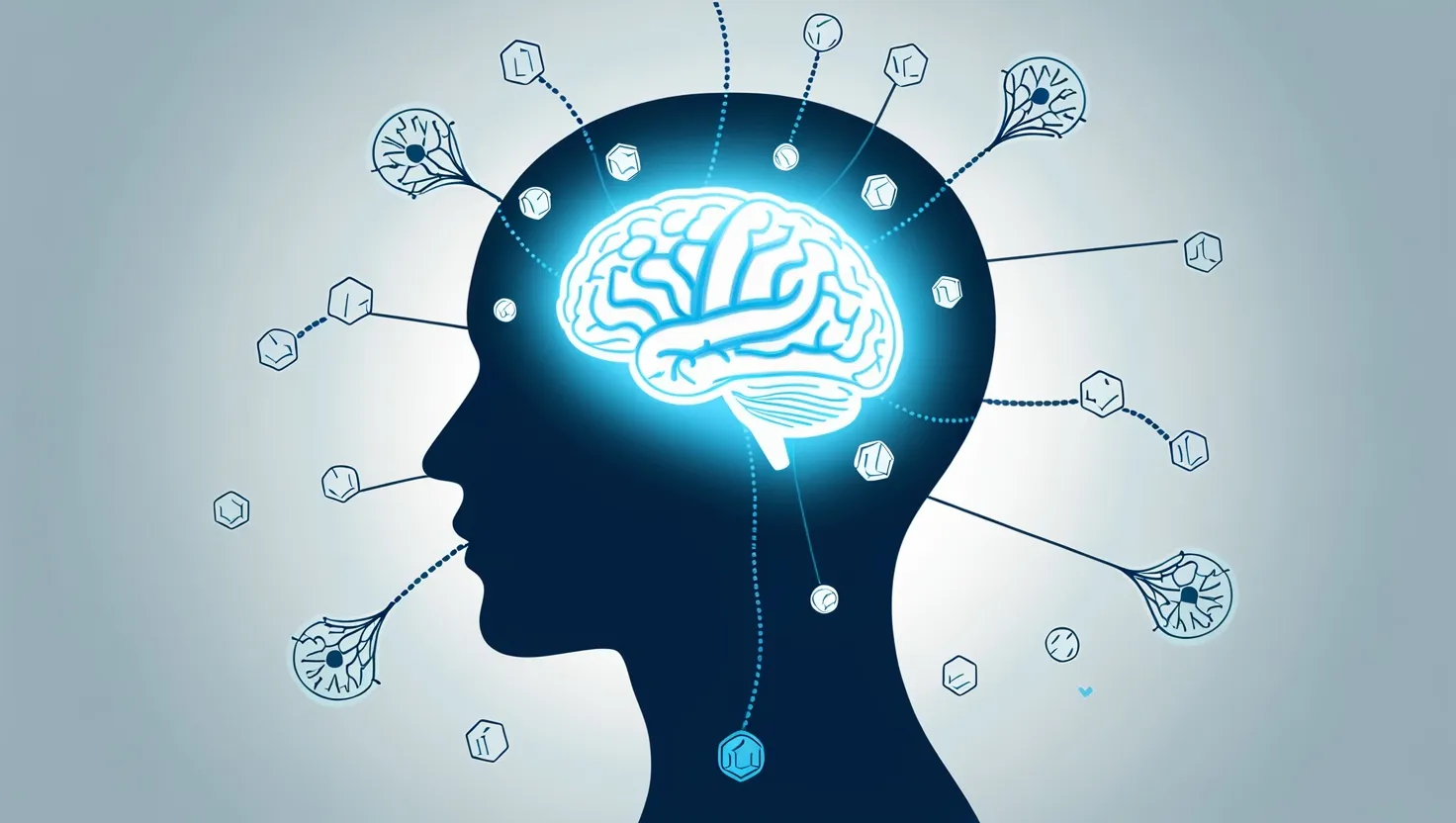
How Bacteria Make Complex Decisions Without Brains: 6 Surprising Microbial Intelligence Strategies
Discover how bacteria demonstrate intelligence through quorum sensing, memory, cooperation, and electrical communication. Learn why these microbes challenge our understanding of smart behavior.

It’s easy to dismiss bacteria as mere evolutionary footnotes, simple bags of chemicals quietly dividing in the shadows. Yet, the closer I look, the more I see parallels between what happens in a microbe’s world and the decisions and networks we admire in more complex life. While science once drew a stark line between life with a brain and life without one, today’s discoveries blur that line in unexpected ways. What if I told you that some of the world’s most ancient cells demonstrate behaviors that look suspiciously thoughtful? Let’s step into the microbial realm and explore six intelligent maneuvers that lift bacteria well out of the “simple” category.
“If you think you’re too small to make a difference, try sleeping with a mosquito.”—Dalai Lama
Let’s begin with a behavior so sophisticated it’s got its own name: quorum sensing. Imagine a single bacterium adrift in a sea of its own kind. On its own, not much can happen. But as numbers grow, bacteria start secreting tiny chemical messages. Once enough neighbors are close, those signals become overwhelming—a biological group chat that triggers mass action. Suddenly, bacteria light up the night with bioluminescence, swarm to attack a host, or produce sticky substances to form fortress-like biofilms. They operate as one, thanks to a chemical census that says, “There are enough of us; it’s time to act.” Sound familiar? It’s not unlike a bustling city waiting for critical mass before launching a parade or a protest.
Now, biofilms themselves are no random accident. Picture a slimy patch of bacteria on a river rock or inside an industrial pipe. That slime isn’t chaotically organized; rather, it’s a sophisticated city with specialized sectors. Water channels snake through, moving nutrients and removing waste, much like roads and sewage systems. Cells at the edge face harsh environments, while those deep inside enjoy more sheltered conditions. Compare that to urban planning—bacteria engineer their living spaces, allocating resources and even dividing labor. These structures help bacteria withstand antibiotics, drought, and the immune system, making biofilms some of the toughest communities on Earth. How’s that for “simple”?
“Look deep into nature, and then you will understand everything better.”—Albert Einstein
Let’s talk memory—a feature we rarely attribute to anything lacking a nervous system. Bacteria can pass on responses to environmental stress via epigenetic memory. When a bacterial population faces a dose of antibiotic, some cells survive not by mutating their genes, but by marking certain genetic regions with chemical tags. These tags act like bookmarks, passed down to daughter cells. The next generation “remembers” the attack and is already on guard, primed to withstand a repeat threat. This is adaptive memory in its purest form: learning from the past, even without a mind.
Ever wonder if microbes act selfishly or show a sense of the collective? Kin selection among bacteria suggests an answer. In the right conditions, certain bacteria willingly destroy themselves to protect their close relatives. For example, some sacrifice their own survival to release toxins that wipe out competitors, benefiting their genetic kin. Others turn off their reproductive machinery, letting related cells proliferate. This is no random self-sacrifice—it’s a strategic investment in the survival of family genes, showing that even at the microbial level, community sometimes trumps individuality.
“Alone we can do so little; together we can do so much.”—Helen Keller
When conditions turn difficult, bacteria face a multitude of threats: starvation, toxins, assault by antibiotics. Rather than blindly following a single survival path, they often “decide” among several strategies. Some opt to become dormant, others form tough spores, and a few mutate rapidly, betting on a genetic breakthrough. This isn’t mindless; these choices depend on both internal cues and environmental clues. Statistically, it’s as though each bacterium weighs possible outcomes, distributing bets across a survival spectrum. This probabilistic switching boosts the odds that some will make it through, no matter what the future brings.
Perhaps most surprising of all is the electrical signaling running through biofilms. Researchers have watched waves of ions propagate across a bacterial city, much like electrical transmission in animal nerves. These pulses synchronize activities or trigger swift responses, such as a coordinated shift in metabolism or the release of stored energy. It’s as if the city’s central grid lights up, flashing an alert or transmitting crucial information. This electrical language suggests communication on a level we once reserved for animals.
“Not everything that can be counted counts, and not everything that counts can be counted.”—William Bruce Cameron
What does all this imply for life as we know it? For one, it challenges where we draw the line between “thinking” and reacting. If problem-solving, group coordination, memory, and communication are hallmarks of intelligence, how do we define who—or what—gets to be called intelligent? And if bacteria built the first cities, passed on collective memories, and communicated with electricity long before our ancestors could walk upright, what other surprises still wait for us in the microbial world?
If you’ve ever battled a persistent infection, marvelled at the glow of deep-sea creatures, or wondered how life persists in boiling vents or frozen Antarctic lakes, then you’ve already encountered the mysterious sophistication of bacteria. Their world is full of decisions, alliances, and strategies. Next time you squint at a petri dish or glance at pond water under a microscope, ask yourself: are we witnessing the earliest experiments in intelligence, just hidden in small packages? What might we learn from these minuscule masterminds about resilience, cooperation, and survival on a crowded planet?
“The important thing is not to stop questioning. Curiosity has its own reason for existing.”—Albert Einstein
So, here’s my challenge: let’s move past old ideas about what it means to be smart or social. The next breakthrough in medicine, environmental science, or technology may come from lessons learned at the microbial scale. After all, the most ancient lifeforms on Earth have been experimenting with group living, communication, and adaptive strategy for billions of years. Isn’t it time we listened a little closer to these small, silent teachers?