Is Russia's Secret Flying Saucer a Glimpse into the Future of Aviation?
Soaring Beyond Constraints: The Left-Behind Legacy of Russian Aeronautical Brilliance
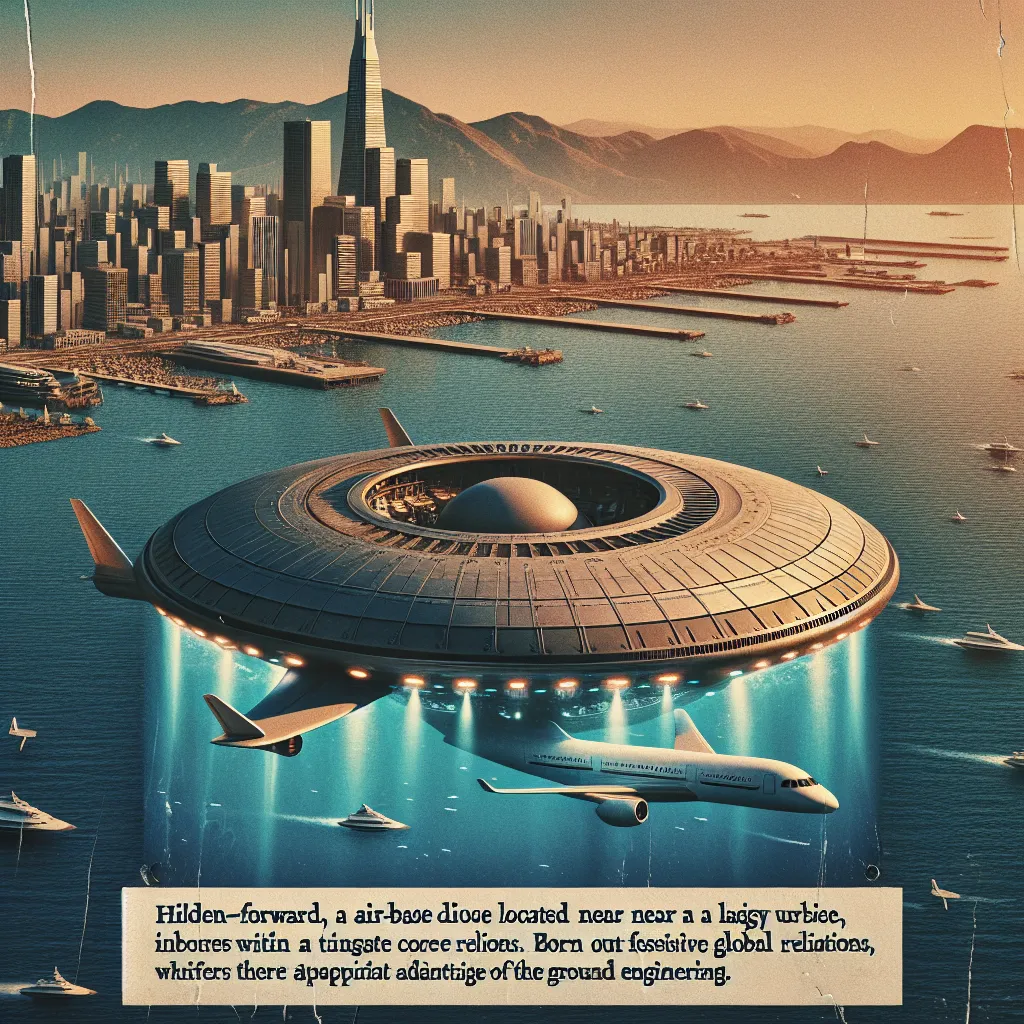
At a secret airbase just outside Moscow, designers are pushing the boundaries of aircraft innovation. Among their creations is something that looks more like a flying saucer than a plane—a project once top-secret and developed during the Cold War, known as the Tory Elka. Early footage shows scale model tests, which, despite using low-tech methods, yielded incredible results. The Tory Elka flew.
Russian engineers are renowned for their creativity and capability, often achieving impressive feats even under financial constraints. Some of the most advanced aeronautical and space system designs have come out of Russia, despite the constant challenge of limited funding.
Initial tests of the Tory Elka were promising, leading to the rapid construction of a full-sized model. Bearing an otherworldly appearance, it was envisioned as the executive jet of the future, capable of carrying a dozen passengers. Unlike traditional planes, the engines were nestled inside the main body, with small wings serving more for stabilization and steering than for lift.
However, financial woes from the Russian government soon caused work on the project to halt. There was even a test of a waterborne version of the Tory Elka, designed to skim just above the water surface on a cushion of air using minimal thrust. This utilized ground effect, a principle often employed in unique Russian aircraft.
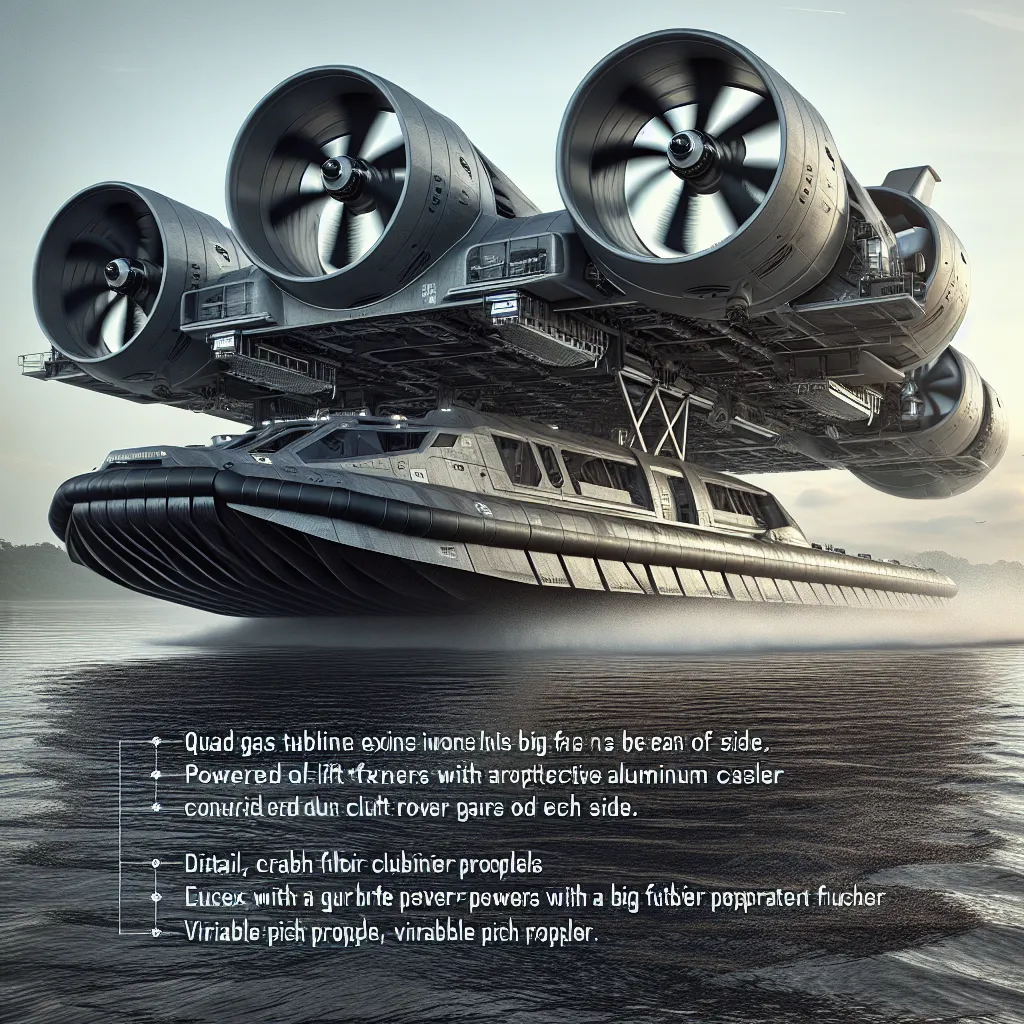
One legendary example of ground effect in action is the Ekranoplan. This behemoth, larger than a jumbo jet, holds the world record for the greatest lift of any aircraft, capable of carrying an astonishing 1,000 tons. Powered by eight massive jet engines, the Ekranoplan skims the ocean surface at 300 miles per hour, only a few feet above the waves, and can transport 1,000 Soviet Marines.
Post-Cold War, financial difficulties have plagued these innovative projects. Today, the once-mighty Ekranoplan sits in dry dock, a monument to a time of bold engineering ambition and the stark realities of funding constraints.