Why Did a Kid's Toy Glider Cross the English Channel?
When Childhood Dreams Take Flight Across the Channel
Back in 2009, the television series “Toy Stories” wasn’t winning awards, but it made quite the impression with a full-sized Airfix model of the legendary Super Marine Spitfire. The only downside? Like all Airfix models, it could only “fly” in our imaginations, held at arm’s length or suspended from bedroom ceilings. But now, we had an idea—build something that actually flies.
From a young age, with loud shirts and long hair, balsa wood glider kits provided a gateway to the mysteries of flight. As a kid, I loved assembling these kits, even splurging on a rubber band power-up if I was posh. That simple toy held great nostalgia for me, and I always hoped to revisit that joy somehow. Fast forward to today, and we found a lofty challenge to bring that dream glider to life once more.
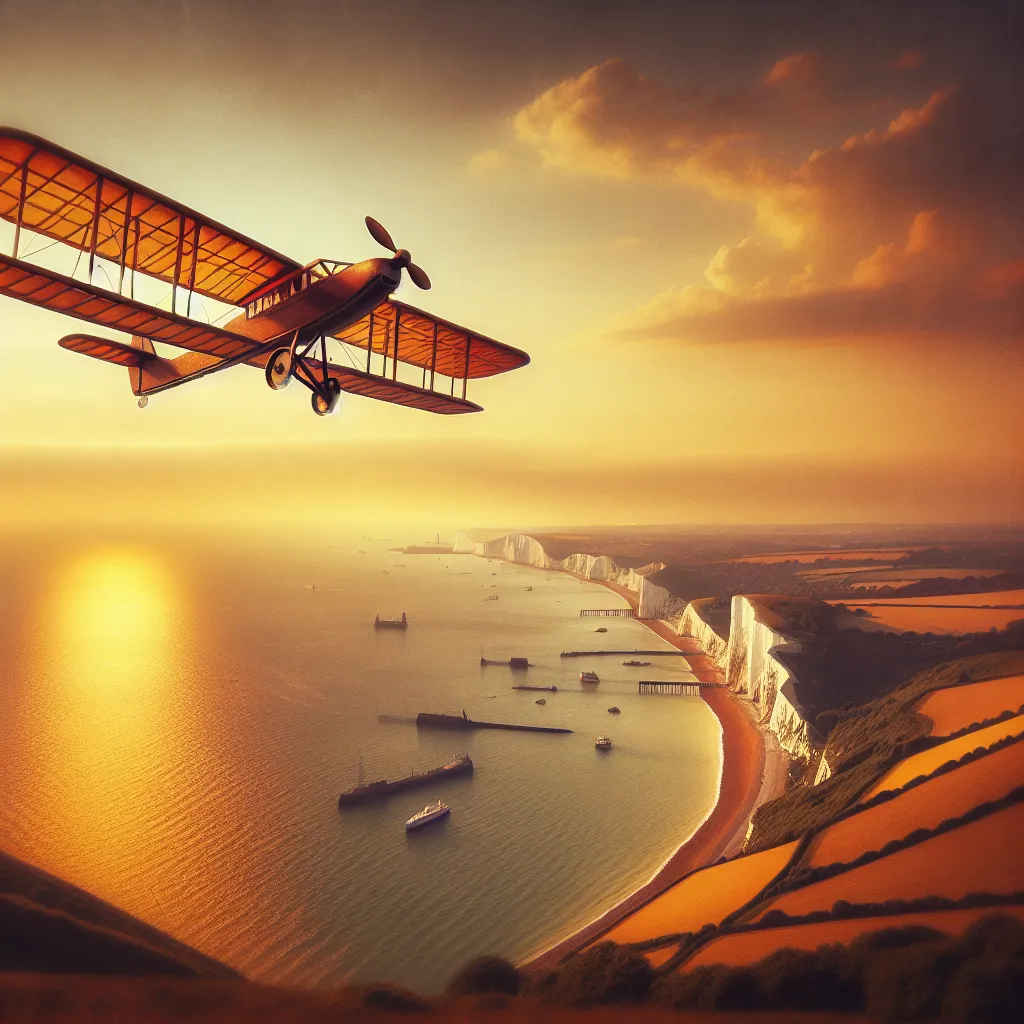
We aimed to launch the first free-flight model glider to cross from England to France, setting a new British record for toy gliders with a 22-mile flight. The glider’s legacy would fulfill the childhood dreams of many who spent hours crafting and dreaming only to see their delicate planes succumb to gravity and ground reality.
In a world teeming with instant gratification and ready-made flying toys, our mission was to find that lost incentive for building your own. Back then, radio control was a costly, bulky affair, and model aero engines were even worse. Building your own glider meant pouring your heart into your work, investing it with the soul of a bird, and then setting it free, even if its end was inevitable.
Despite technical hurdles—design flaws, fuselage size issues, and the unpredictable British weather—we soldiered on. Testing various wing configurations, we discovered the importance of high, slender dihedral wings and strong, stable designs. Ultimately, I decided on a classic shape akin to the Slingsby Swallow, a stable high-wing design from the 1950s.
The Swallow held promise as we tested it off a windy hill, adjusting and refining until it performed admirably. Faced with cold reality, we needed more than just a perfect wing. We needed height, ideally by launching from a hot air balloon. With guidance systems from aeronautical engineering students and expert aero modelers, we optimized the Swallow for its journey.
However, bureaucratic red tape entwined our plans. French authorities saw our glider as an intrusive drone, and Olympics-related airspace lockdowns added to our woes. Frustrated but undeterred, we discovered another channel to cross—Devon to Wales—measuring the same challenging 22 miles.
With launch issues complicating our balloon plans, we pivoted to helicopters for a more controlled drop, even designing a glider coffin to release it effectively. Yet weather and logistics hindered our high-altitude goals. Our first launch was cut low due to cloud cover, and our glider’s path veered off course, falling short of our aspirations.
But a new, clear dawn offered redemption. We aimed at the Isle of Lundy, slightly tweaking history and renaming our goal “Lundy” with two Ls for a touch of whimsy. This time, from an astounding 10,000 feet up, amidst good weather, our Swallow soared.
Cameras followed the epic flight over rolling waters and toward the distant isle. The swallow epitomized our childhood dreams and tenacity. Overcoming technical hiccups and setting foot on Lundy (or should I say Lundy?), we not only reached our destination but embodied the spirit of discovery and pioneering flight.
Our homemade glider, launched from beyond the horizon, had united past and present, proving that childhood dreams could indeed take flight. The Swallow had flown, setting a record and capturing the essence of flight that had eluded us for so long.