As I reflect on my own memories, I often wonder how reliable they are. Can they be altered by external influences or even distorted over time? This question becomes even more intriguing when considering the Mandela Effect, a phenomenon where large groups of people recall events or details differently from what is recorded in history. One of the most famous examples is the widespread belief that Nelson Mandela died in prison in the 1980s, despite having passed away in 2013 as a free man.
The Power of Collective Memory
The Mandela Effect highlights how our memories can be influenced by social and environmental factors. It challenges us to question whether our recollections of past events are accurate or if they are influenced by collective false memories. As the renowned psychologist Elizabeth Loftus once noted, “Memories are not only a reflection of the past but also a reflection of the present.” This insight underscores how our current experiences and information can reshape our past memories.
How do you think our memories can be influenced by what others remember? Do you recall instances where you doubted your own memory because of others’ differing accounts?
Memory Misconceptions and the Internet
The internet has dramatically amplified the Mandela Effect, allowing people to share and reinforce each other’s false memories. This digital amplification can create a collective narrative that feels more real than the actual events. For instance, many people remember the spelling of “Berenstain Bears” as “Berenstein Bears,” despite the books always being spelled “Berenstain.” This kind of collective misremembering can lead to interesting discussions about the nature of truth and how it is perceived.
“The truth is rarely pure and never simple.” - Oscar Wilde
This quote resonates with the Mandela Effect, as it highlights how perceptions of truth can be complex and influenced by various factors.
Psychological Perspectives
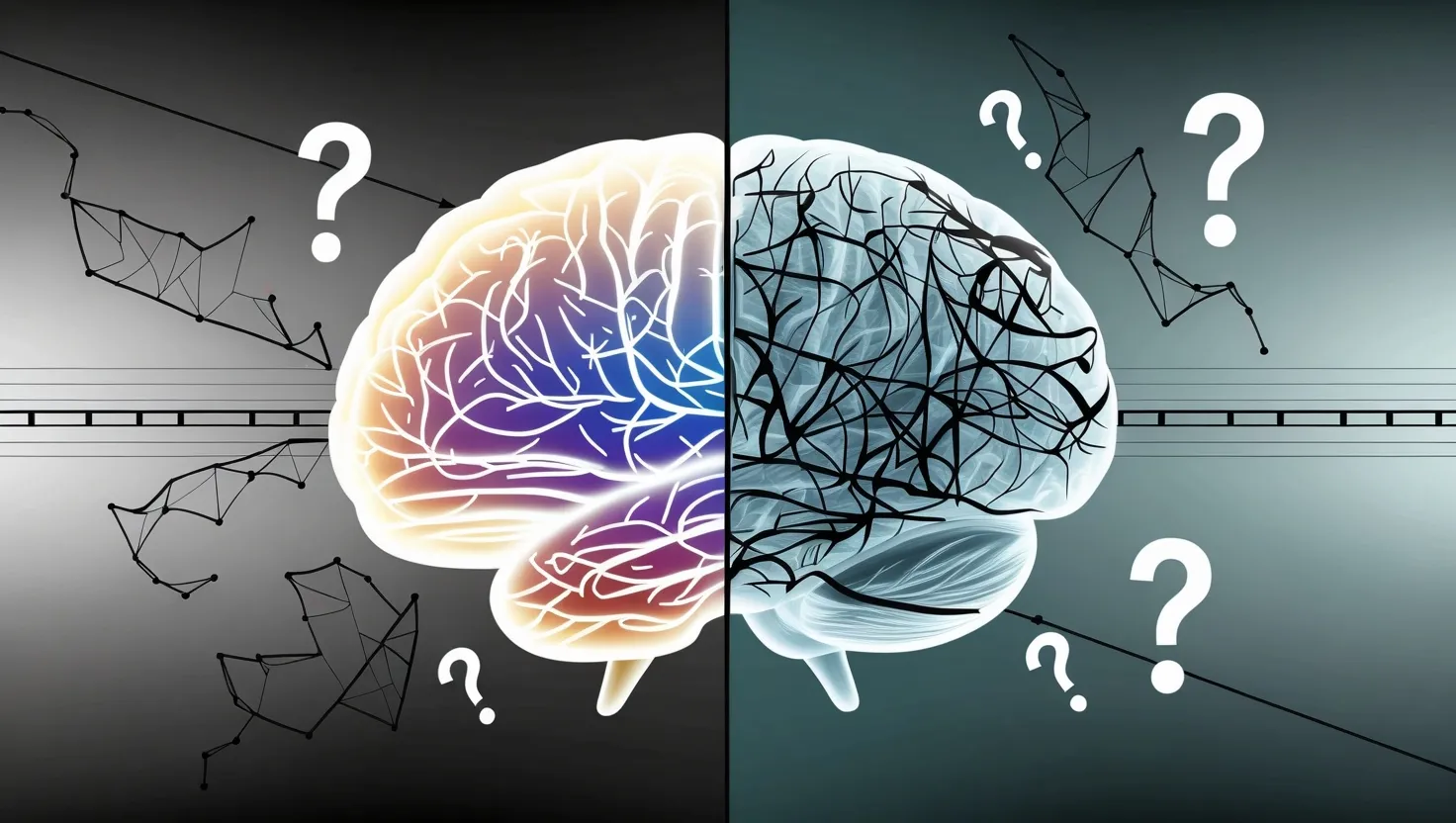
From a psychological standpoint, false memories can arise due to suggestions, misinformation, or the blending of real and imagined events. This phenomenon is not unique to the Mandela Effect; it’s a common aspect of human memory. Our brains are wired to fill gaps in our recollections, sometimes using information we’ve encountered later. This process can lead to the creation of false memories that feel just as real as true ones.
Consider this: Have you ever recalled a memory that seemed vivid but turned out to be false? If so, how did you discover the truth?
Speculative Theories: Alternate Realities
While the Mandela Effect is often explained by cognitive psychology, some speculate about more extraordinary theories, such as the concept of alternate timelines or parallel universes. These ideas suggest that some people might be experiencing memories from different realities. While intriguing, these theories are highly speculative and lack concrete evidence.
However, they do prompt us to think creatively about the nature of reality and how our experiences shape our perceptions. As the physicist Richard Feynman once said, “I think I can safely say that nobody understands quantum mechanics.” This statement reminds us that there are still many mysteries about the universe that we have yet to fully grasp.
Impact on Society and Culture
The Mandela Effect not only challenges our perception of personal memory but also impacts how we view history and cultural narratives. It shows how shared narratives can shape our understanding of the past and influence our beliefs about the present. This phenomenon encourages us to be more critical of information and to verify facts through multiple sources.
How do you think the Mandela Effect affects our trust in historical records? Should we rely more on documented evidence over collective memories?
Digital Communities and the Future of Memory
Digital platforms have become a significant factor in the spread of false memories, as they facilitate the sharing and reinforcement of collective narratives. This raises questions about how we will manage memory in the future. Will we see more instances of the Mandela Effect, or will we develop better tools to distinguish between true and false recollections?
As we move forward in this digital age, it’s crucial to be aware of the power of collective memory and the potential for misinformation to spread rapidly.
A Look into Our Own Memories
As I reflect on my own memories, I realize how easily they can be influenced by external factors. I wonder how many of my recollections are entirely accurate and how many might be tainted by misinformation or collective false memories.
This introspection leads me to a broader question: How reliable can our memories ever be? And what does this say about our understanding of reality?
“The only true wisdom is in knowing you know nothing.” - Socrates
This ancient wisdom reminds us to approach our memories and perceptions with humility and an open mind, recognizing that our understanding of the world is always subject to revision.
Concluding Thoughts
The Mandela Effect is more than just a peculiar phenomenon; it challenges our understanding of memory, history, and the nature of reality. It encourages us to be more critical of our recollections and to seek verification through independent sources. As we explore these collective false memories, we are reminded of the complex and dynamic nature of human perception.
So, the next time you recall a vivid memory, ask yourself: Is this really how it happened, or is it a product of collective influence? The answer might surprise you.