The Dyatlov Pass Incident: Unraveling the Mystery of Nine Lost Hikers
Uncover the chilling mystery of the Dyatlov Pass Incident. Explore theories behind the unexplained deaths of nine hikers in the Ural Mountains. Delve into this haunting cold case that continues to baffle experts.
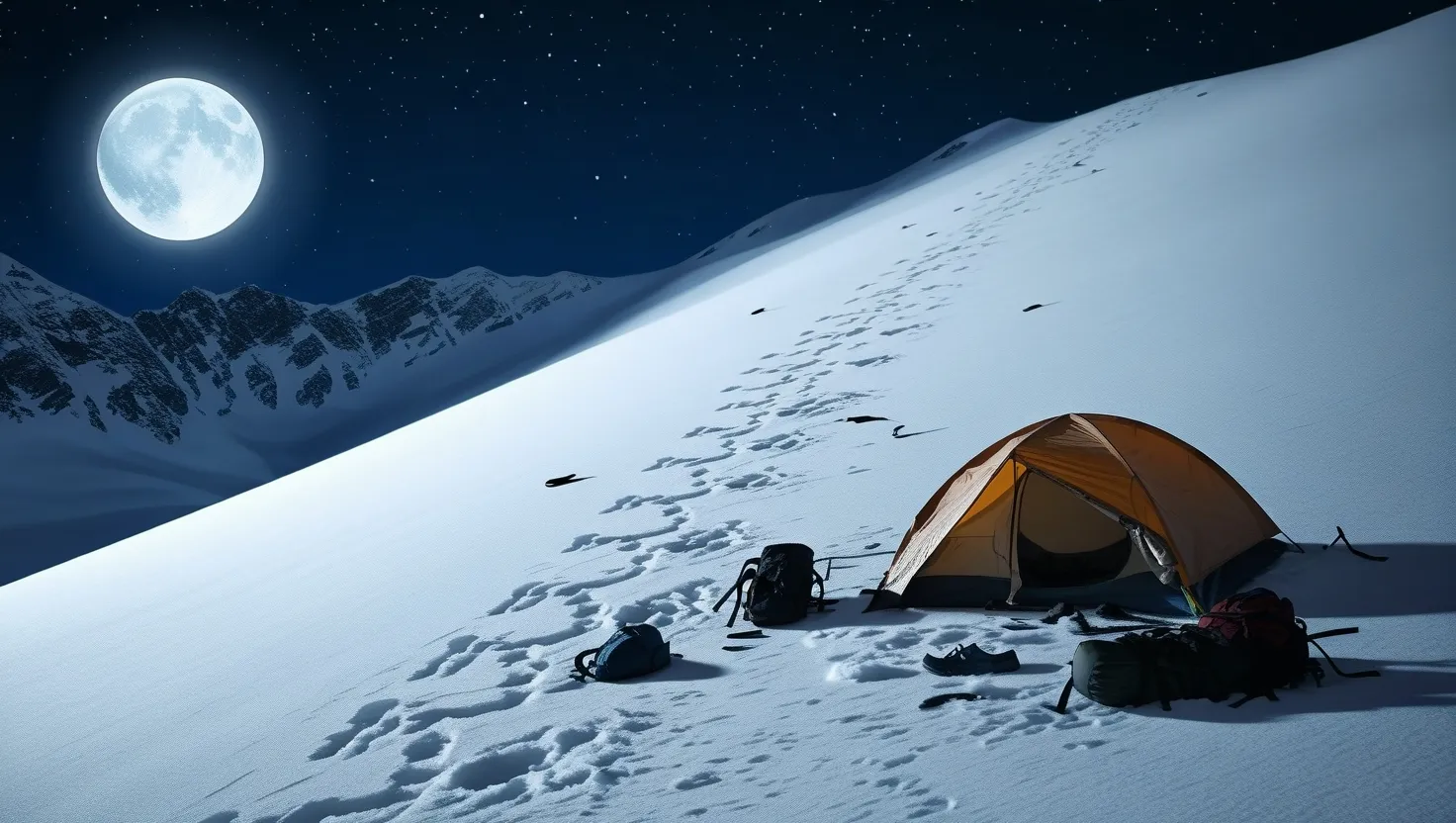
In the harsh winter of 1959, a group of nine experienced hikers, led by Igor Dyatlov, ventured into the remote Ural Mountains, a trek that would become one of the most baffling mysteries of the 20th century. The Dyatlov Pass Incident, as it came to be known, is a tale of unexplained deaths, bizarre circumstances, and a plethora of theories that continue to captivate and confuse us to this day.
Imagine setting out on an adventure with friends, eager to conquer the rugged beauty of the Ural Mountains. The group, all in their early twenties, were seasoned skiers and winter campers from the Ural Polytechnical Institute. They were well-prepared, or so it seemed, with the right gear and a clear plan to climb a peak and return triumphant. But something went terribly wrong.
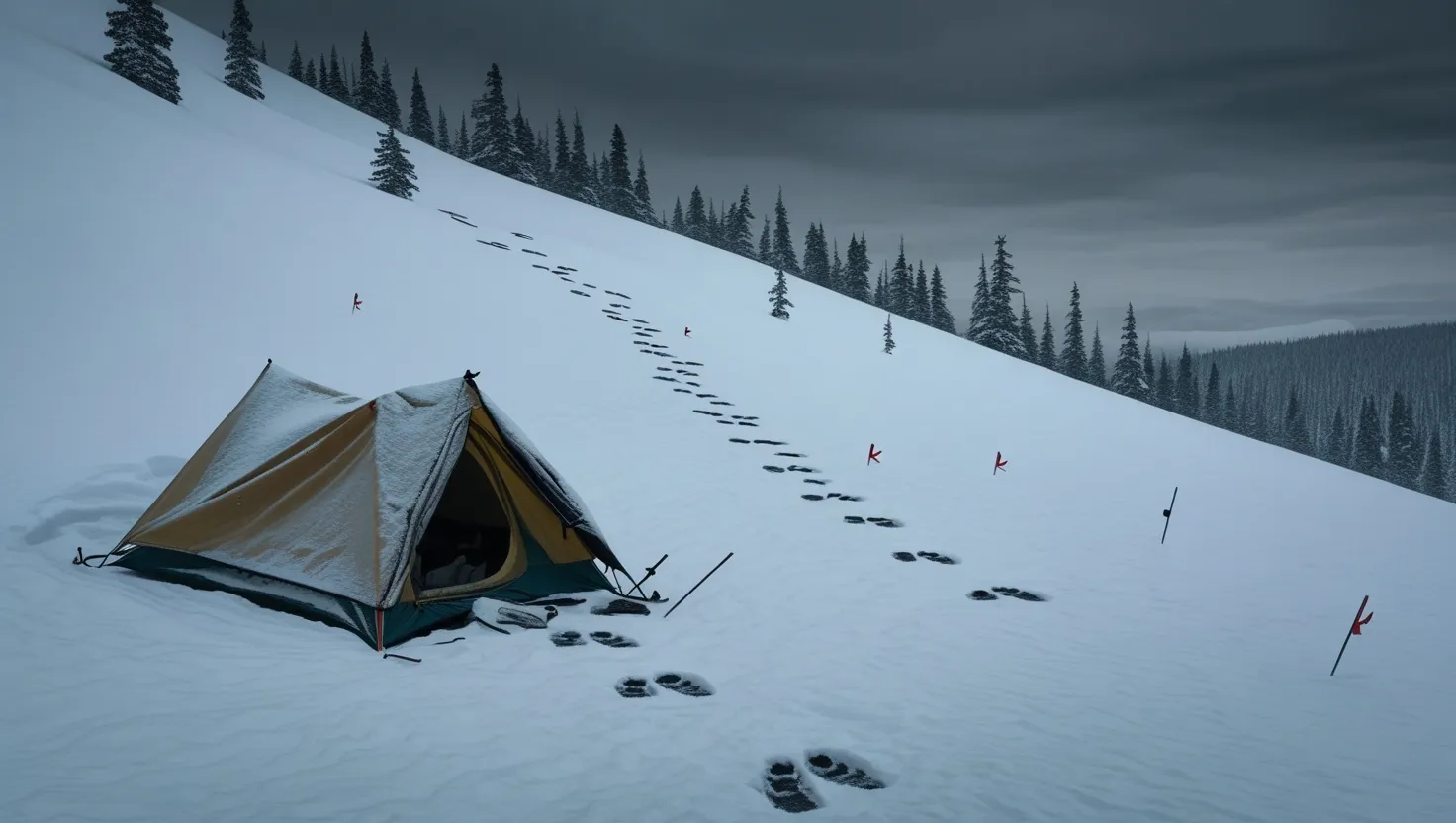
Their bodies were found weeks later, scattered across the snowy landscape like discarded dolls. Some were partially naked, others had severe internal injuries without any external wounds, and one body even had traces of radiation. The scene was surreal and terrifying. Their tent, once a sanctuary, had been cut open from the inside, as if they had fled in a state of panic.
As investigators delved into the mystery, they found diaries and cameras that provided a glimpse into the group’s final days. The hikers had set up camp on the slope of Kholat Syakhl, a mountain whose name translates to “Dead Mountain” in the local Mansi language. It was a decision that would prove fatal.
“Why did they decide to camp on the slope instead of moving to a safer area?” This question haunts many who have studied the incident. Perhaps, as one of the hikers’ friends speculated, Dyatlov did not want to lose the altitude they had gained, or maybe he was practicing camping on the mountain slope. Whatever the reason, it was a choice that would seal their fate.
The autopsies revealed a mix of causes for the deaths: hypothermia, severe internal injuries, and even one body missing its tongue. These findings only added to the confusion. How could such diverse and bizarre injuries occur in the same group?
The official investigation concluded that an “unknown compelling force” had caused the deaths. This vague explanation was like fuel to a fire, igniting a wave of conspiracy theories. Some believed it was a government cover-up, others thought it might be the work of supernatural forces, and a few even suggested a Yeti attack or a UFO encounter.
One of the most enduring theories is the slab avalanche hypothesis. Recent studies suggest that a small, localized avalanche could have caused the group to flee their tent in panic. However, this theory does not fully explain the bizarre injuries or the radiation found on one of the bodies.
As we ponder the Dyatlov Pass Incident, we are reminded of the words of Albert Einstein: “The important thing is not to stop questioning. Curiosity has its own reason for existence.” This incident has sparked an insatiable curiosity in many, driving them to seek answers in the most unlikely places.
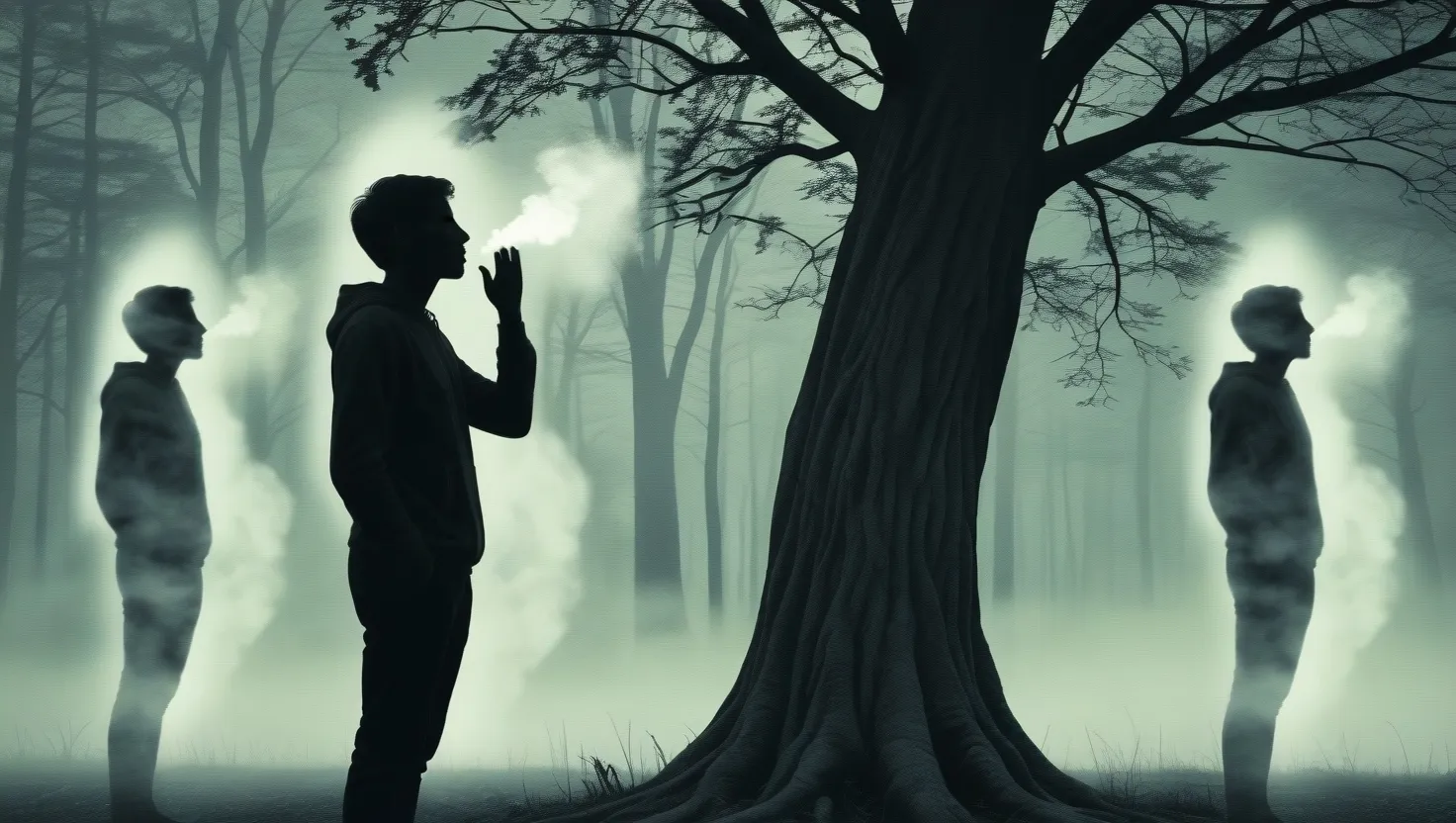
Infrasound, a type of sound wave that is too low for humans to hear, has been proposed as another possible explanation. Some scientists suggest that infrasound could have caused the group to experience panic and disorientation, leading them to flee their tent. However, this theory, like many others, remains speculative.
The Dyatlov Pass Incident is not just a mystery; it is a window into human behavior under extreme conditions. It challenges our understanding of how people react when faced with the unknown and the terrifying. As the psychologist Carl Jung once said, “One does not become enlightened by imagining figures of light, but by making the darkness conscious.”
As new evidence emerges and analysis techniques improve, the Dyatlov Pass Incident remains a compelling cold case. It is a reminder that, even in the age of advanced science and technology, there are still mysteries that defy explanation.
The incident has also raised questions about the potential for unknown natural phenomena in remote areas. The Ural Mountains, with their rugged terrain and harsh weather conditions, are a place where nature can be both beautiful and deadly.
In the end, the Dyatlov Pass Incident is a story that continues to intrigue and haunt us. It is a tale of adventure, tragedy, and the unexplained, a reminder that sometimes the truth is more complex and mysterious than we can ever imagine.
As we reflect on this incident, we are left with more questions than answers. What really happened on that fateful night? Why did the hikers flee their tent in such a state of panic? And what was the “unknown compelling force” that led to their deaths?
The Dyatlov Pass Incident is a mystery that may never be fully solved, but it is one that continues to captivate us, challenging our understanding of the world and our place within it. As the philosopher Aristotle once said, “It is the mark of an educated mind to be able to entertain a thought without accepting it.”
In the silence of the Ural Mountains, the Dyatlov Pass Incident remains a haunting enigma, a reminder of the mysteries that lie just beyond our understanding, waiting to be explored and perhaps, one day, explained.