Ever found yourself tangled in a heated debate about nuclear power? Yep, I’ve been there, and it’s confusing. So let’s break it down a bit.
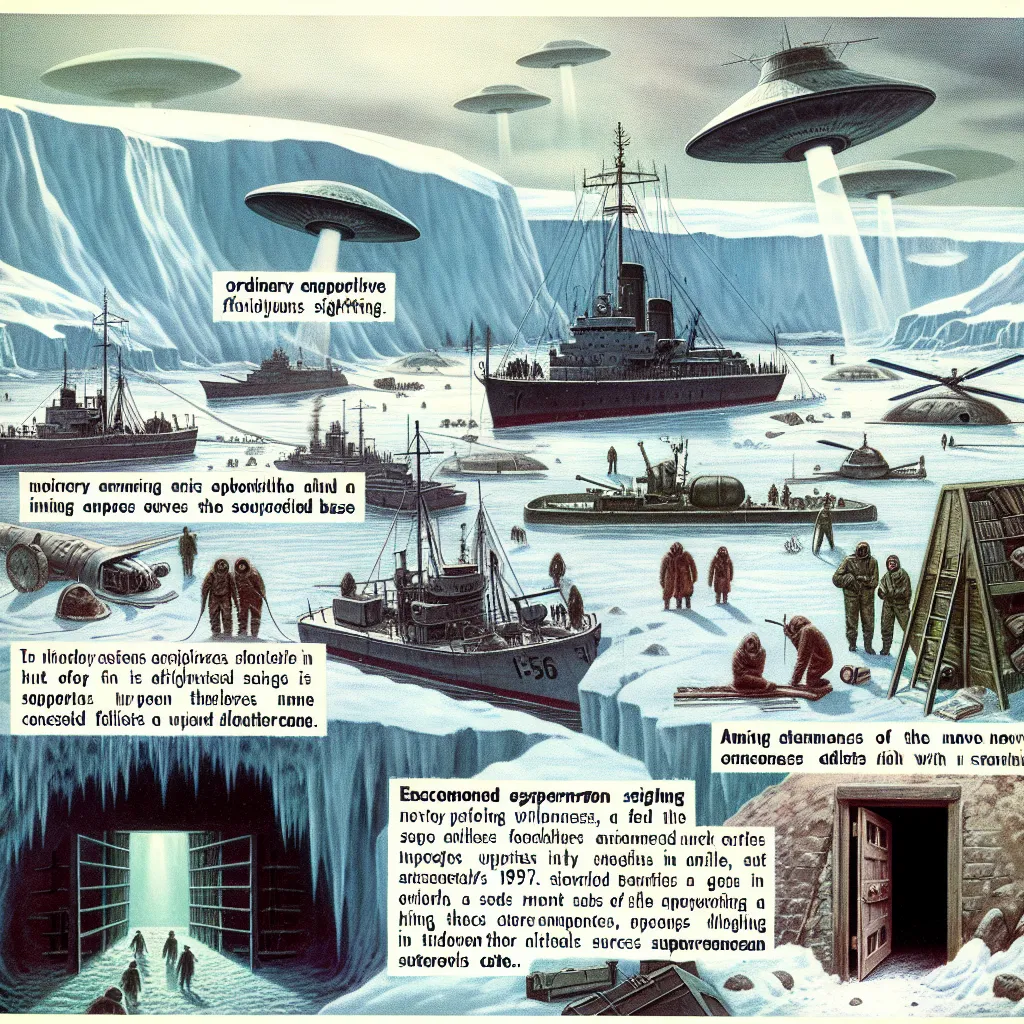
Nuclear energy’s journey began in the 1940s, right after World War II. The atomic bomb had shown its terrifying power, but nuclear energy was supposed to be the peaceful payoff. People imagined a world where electricity was practically free, and nuclear power could even settle places like Antarctica. Maybe we’d have nuclear-powered cars and planes. It felt like the future was just around the corner.
But reality hit hard. Nuclear power wasn’t just a piece of cake—it was complicated and expensive. Turning the theory into functioning technology was tough. Plus, private companies didn’t want to touch it with a ten-foot pole; they preferred to stick with gas, coal, and oil, which felt safer.
Despite the hurdles, some folks still believed in the atomic dream. Cheap electricity, independence from oil and gas, and maybe a sneaky desire for atomic weapons kept the motivation alive. The real moment for nuclear power came in the early ’70s when oil prices shot through the roof because of conflicts in the Middle East. Suddenly, nuclear energy seemed like a brilliant idea, and investment poured in.
Choosing the right type of reactor was no small task with so many options available. Surprisingly, the light water reactor became the favorite. It wasn’t groundbreaking, scientists weren’t crazy about it, but it worked and was affordable.
So, what’s a light water reactor? It heats water using a controlled chain reaction from nuclear fission. Uranium-235 atoms get hit by neutrons, becoming unstable, and then split, releasing energy and more neutrons. This process goes on in a controlled loop, heating the water which then drives turbines to produce electricity. It’s different from the uncontrolled chaos of an atomic bomb.
The light water reactor is simple, not the safest or most efficient, but practical. Things took a downturn though. In 1979, the Three Mile Island incident nearly turned into a disaster. Then, in 1986, the Chernobyl meltdown sent radioactive clouds over Europe. And in 2011, Fukushima’s disaster reignited safety concerns.
Today, nuclear power supplies around 10% of the world’s energy. There are around 439 reactors across 31 countries, with about 70 new ones under construction as of 2015, mostly in rapidly growing nations. Still, most existing reactors are over 25 years old, based on aging technology.
Countries are now facing a tough decision: spend big bucks on updating old reactors to more efficient, yet less tested models, or shift away from nuclear power entirely towards other options, each with its own pros and cons.
So, should we keep using nuclear power? We’ll dive into the pros and cons next week. Stay tuned!