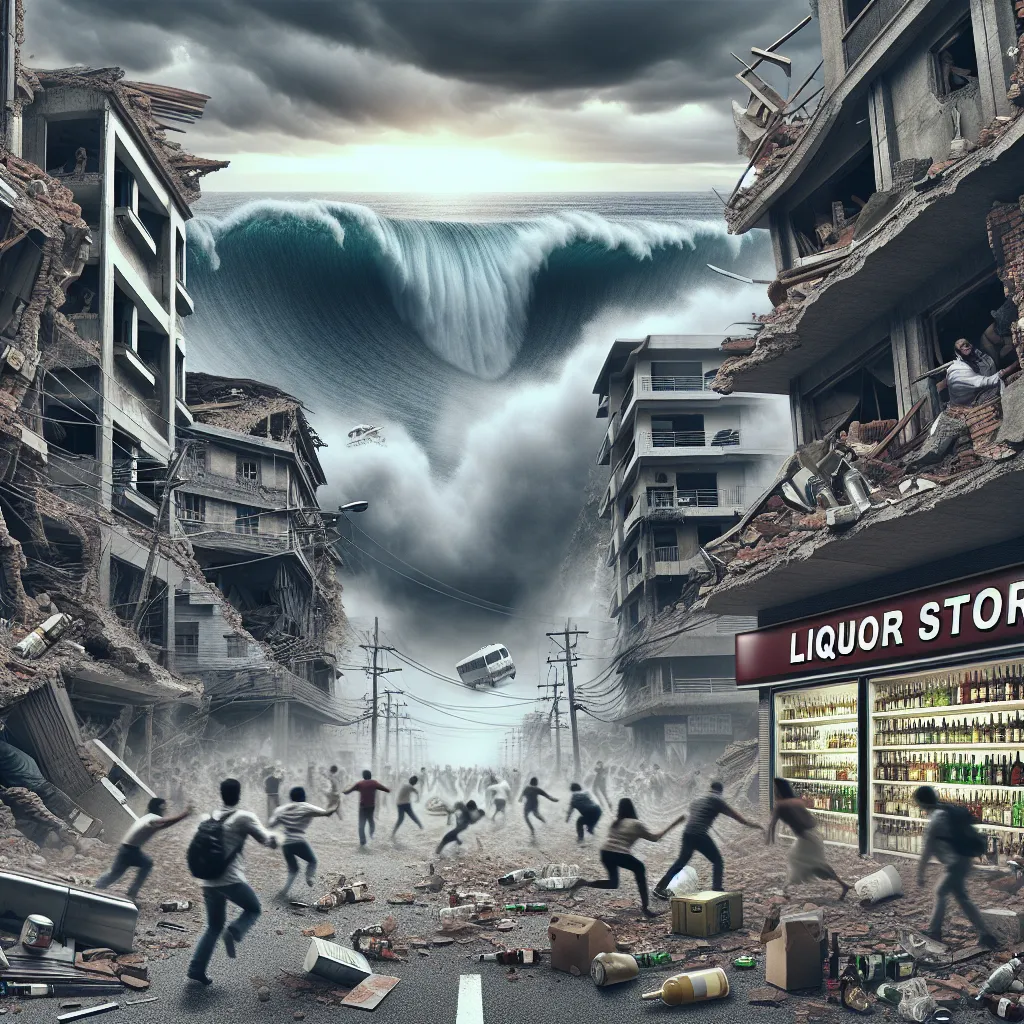
When the ground trembles beneath your feet, knowing what to do isn’t always straightforward. Earthquakes are powerful and unpredictable, leaving chaos in their wake. Let’s dive into some incredible and devastating footage of these unstoppable seismic events.
In January 2020, the Caribbean faced a massive 7.7-magnitude earthquake. It struck just south of Cuba in the Cayman Trough. The earthquake’s force was shocking, as witnessed in a local liquor store’s footage. The region is no stranger to such turmoil.
Haiti, particularly, sits on one of the most volatile seismic regions. The tectonic plates here are constantly shifting. The 2010 earthquake in Haiti was especially catastrophic with a 7.0 magnitude. In under a minute, 100,000 buildings collapsed, over 3 million lives were affected, and more than 200,000 people perished. The impoverished nation’s lack of earthquake-resistant buildings only exacerbated the devastation, leading to massive homeless populations and prolonged recovery issues compounded by disease and gang violence.
Similarly, in February 2023, a series of destructive earthquakes hit Turkey and Northern Syria. This region is prone to seismic activity due to the intersection of multiple tectonic plates. Although the Arabian and African plates push the Anatolian plate westwards by about two centimeters yearly, the tension eventually releases through massive earthquakes. The main quake was followed by aftershocks nearly as strong, causing widespread destruction. Buildings pancaked, streets turned to rubble, and the entire agricultural infrastructure of 11 provinces in Turkey was upended.
In Syria, the situation was worse because of the ongoing civil war. In total, an estimated 18 million people were affected. Footage shows an entire apartment block collapsing, highlighting the quake’s destructive power. The death toll reached over 55,000, with significant ongoing recovery costs.
Coastal earthquake regions also face the risk of tsunamis. For instance, shortly after a quake in Turkey, a car park was rapidly flooded. The Aegean Sea earthquake in 2020, with a magnitude of 7.0, caused a tsunami just 15 minutes later, flooding areas swiftly but causing no deaths.
During an earthquake, being outside is often safest, but not in the case of a tsunami. People rush from buildings to open spaces, yet they might have to run back quickly to avoid the incoming flood. Modern buildings are designed to absorb seismic shocks, but there’s no perfect means to completely avoid the dangers.
Earthquakes can strike anywhere, at any time. Improve your chances by finding shelter under sturdy furniture or doorways. Once the shaking stops, assess the situation and seek safety as needed.
Thanks for reading. If you enjoyed this piece and want to see more stories like this, remember to subscribe and check out our other content. Stay safe!