Unlocking the Mystery: Why We All Dream Every Night
Dreams remain an enigma, encompassing memory, emotions, creativity, and cultural perceptions, with neuroscience and psychology offering insights into their mysterious significance.
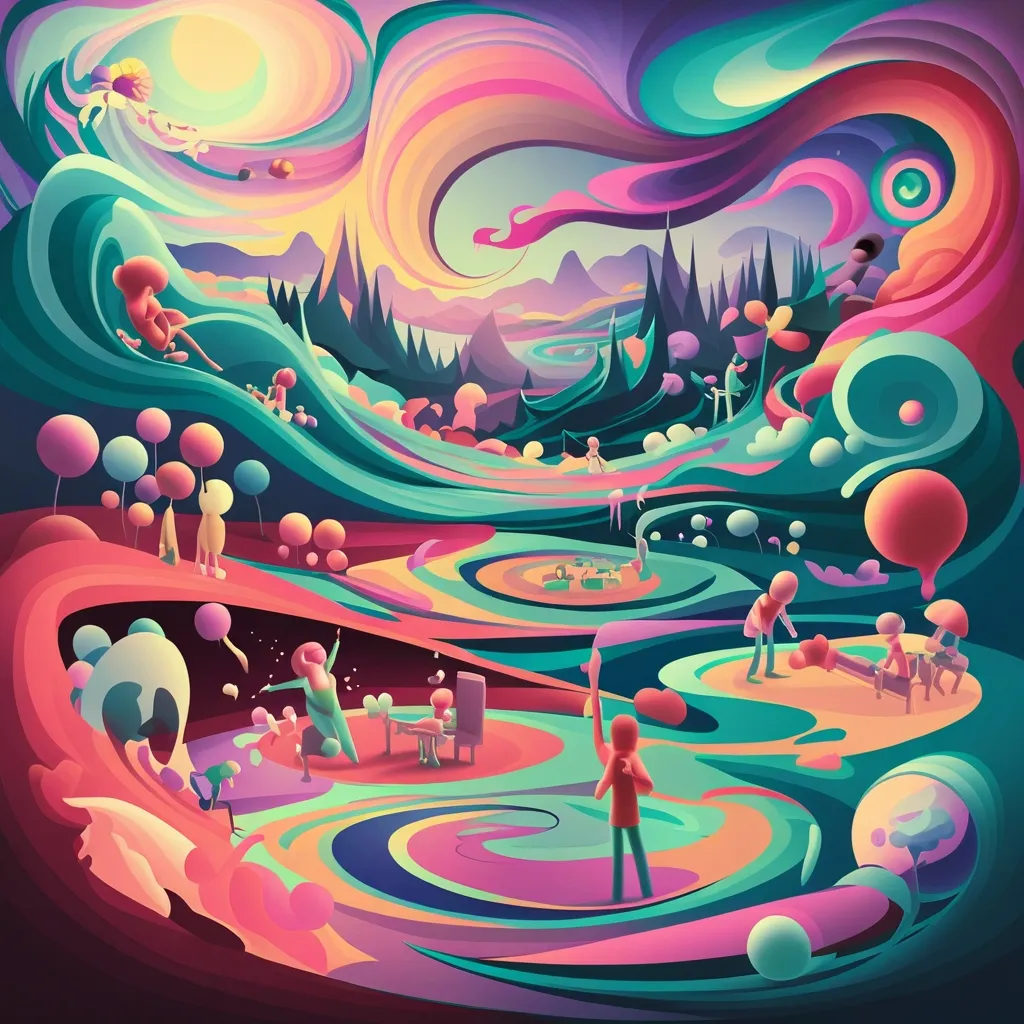
Dreams have woven their mysterious threads through the tapestry of human existence for as long as anyone can remember. Despite a few centuries of wild guesses and several decades of rigorous science poking around in the corridors of the brain, the enigma of why exactly we dream remains just that – an enigma. Scientists, philosophers, and people like us, you know, just regular folks, are still trying to figure it out. Crazy, right?
Now, isn’t it fascinating how dreaming is such a universal experience? It’s like this secret language everyone speaks, regardless of where or when they live. Every night, we all kick back, close our eyes, and dive headfirst into a sea of dreams. These dreams can be as straightforward as replaying our day or as bizarre as sprouting wings and zooming through a candy-colored sky. Different cultures have their unique takes on dreams. Aboriginal cultures treat them almost like sacred windows to wisdom. Think about that next time you drift off; you might be solving problems in your sleep!
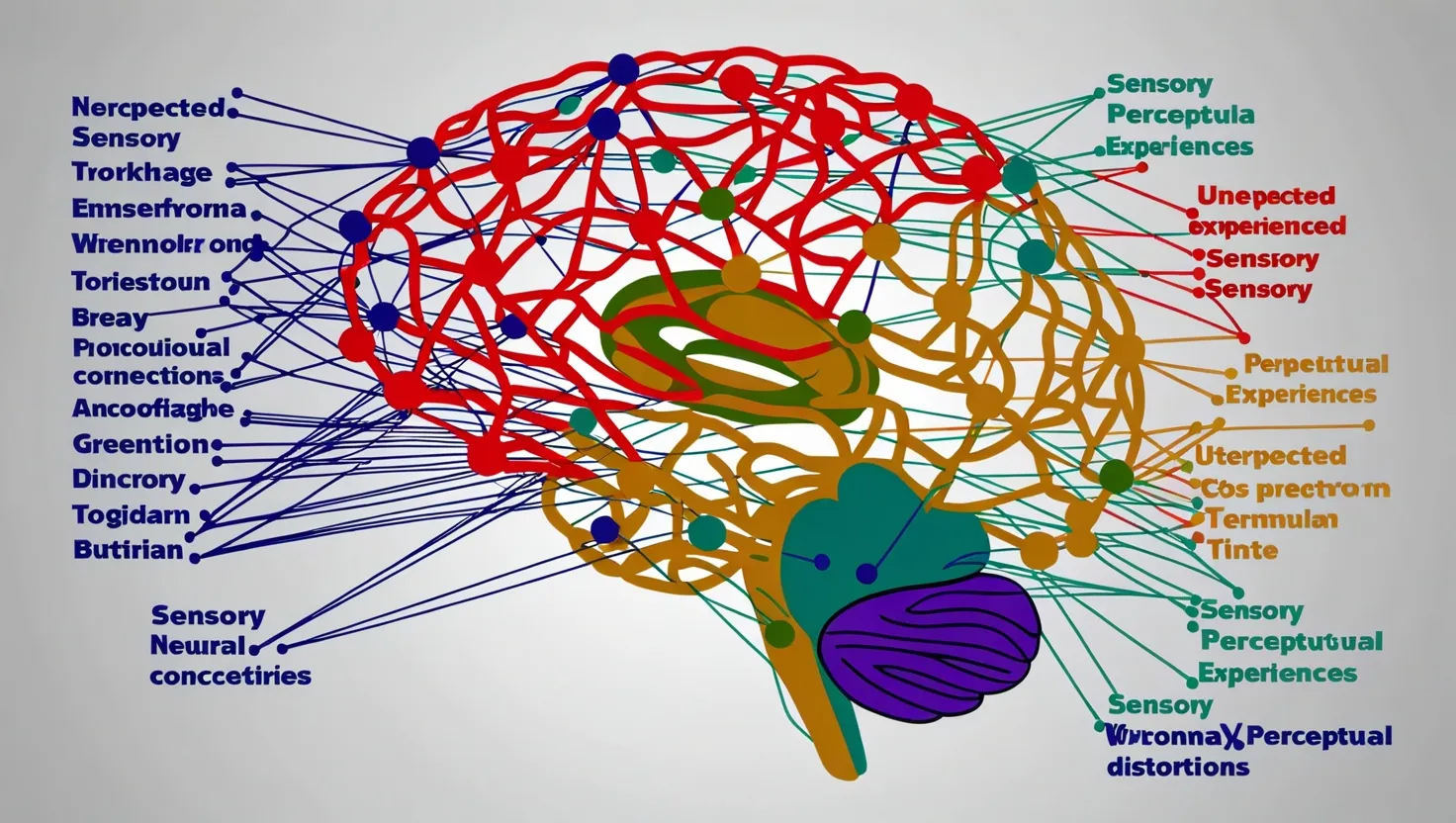
Let’s take a peek inside the sleepy brain. When it’s time to shut down the waking brain buzz, all those busy beta and gamma waves slow down and transform into alpha waves. These are like the chill waves that help us detach from the daily grind. Deeper into sleep, theta and delta waves take us to REM sleep – the hotspot for dreams. The wild part? The brain activity during REM sleep is almost as wired as when we’re awake. The default mode network, or DMN if you’re on a first-name basis, kicks into high gear, spinning those outlandish dream tales.
There’s no shortage of theories about dreams. Sigmund Freud was one of the pioneers who thought dreams were the mind’s way of airing out our deepest desires, the ones we’re too polite to admit while awake. Fast forward, and scientists have broadened the spectrum. Now, they’re leaning more towards dreams being buddies with memory consolidation. During REM snoozes, the brain is busy replaying the day, storing up knowledge, and strengthening neuron connections – from the hip (hippocampus) to the neocortex.
Picture this: a skier dreams of slaloming through powdered snow while a tennis player tackles dream opponents on the court. This alignment with daily life suggests dreams could be processing or even solving what bugs us during the day. Some scientists propose that dreams are like a mental workshop, trying out solutions to the day’s problems. Studies have even shown that when dreams have these “eureka!” solutions, people feel less stressed about that same problem when awake.
Dreams and emotions are super tight, like old pals. Ever notice how dreams can feel way more vivid and emotional than real life? This might be emotions playing a key role in dream mechanics, perhaps helping us deal with stress and anxiety. Feelings in dreams run high, sometimes higher than reality, possibly to help with emotional healing. Those under stress often find themselves waking from dreams that are more like sweaty nightmares, further cementing the link between dreams and what’s bubbling inside emotionally.
Creativity and dreams are in cahoots, no doubt about that. History offers many examples of dreams inspiring breakthrough ideas. Einstein and his dream about cows could have fueled his insights into relativity. Artists and writers have long dipped their creative brushes into the dream pool for inspiration. REM sleep, with its active brain networks, allows for free association and creativity, making dreams a goldmine for novel ideas.
Neurophysiology gives us more clues. The brain’s visual areas are super active during REM sleep, which aligns with the vividness of dreams. Even though brain activity mirrors waking hours, it has its quirks. The prefrontal cortex, home to logic and decision-making, takes a step back during dreams, which explains why dream scenes often defy logic.
Dreaming is a paradox. It’s a shared human experience, yet slippery to pin down scientifically. This creates a juicy puzzle, largely because when dreaming, we’re cut off from the outside world. Understanding what dreams really mean might provide key insights into the bigger picture of why our minds craft these nightly sagas.
Dream studies don’t sit neatly in one academic category. They need a big-picture approach, taking tidbits from neuroscience, psychology, and even psychoanalysis. Neuroscience tells us about the biological side, while psychoanalysis dives into personal and emotional dream content. Merging these perspectives might light the way to understanding dreams more holistically.
Ultimately, dreams still keep us on the edge of our collective seat with their depth and mystique. Whether they’re honing memories, balancing emotions, or sparking creativity, dreams are undeniably woven into the human experience. Ongoing research attempts to demystify the dreaming mind, suggesting that dreams might serve various roles, all vital to our cognitive and emotional health.
In essence, dreams showcase the remarkable prowess of the human brain, crafting vast landscapes while we snooze – landscapes both comforting and bewildering. As we push the boundaries of dream exploration, we might inch closer to unlocking the secrets of our inner world and how our brains orchestrate such magical nightly performances.